Founded in São Paulo in 1986 by engineers Esther Schattan and Murillo Schattan, Ornare built over four decades a singular trajectory within Brazilian design. What began as a company dedicated to custom-made furniture evolved into a premium brand present in some of the world's most relevant architecture and interiors markets. Custom kitchens, closets, systems, bathrooms and complete environments formed a universe of products characterized by personalization, technology, constructive precision and strong relationships with architects and designers. Ornare itself defines originality, quality and advanced technology as company fundamentals and highlights its collaborations with important names in national and international architecture. Throughout this journey, the brand ceased to be merely a Brazilian reference in high-end furniture to occupy an increasingly international position within the sector.
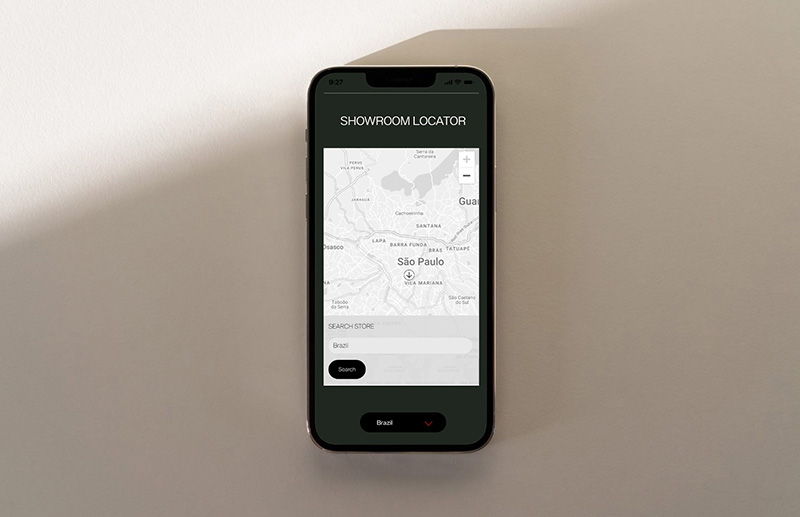
This transformation was driven by Esther Schattan and Murillo Schattan, who built Ornare and progressively transformed a Brazilian operation into an international brand. The expansion reached different Brazilian cities, the United States, Dubai and later Europe. By 2024, Forbes registered 15 showrooms in Brazil, presence in Dubai and extensive North American operations, including New York, Miami, Dallas, Los Angeles, Houston, Hamptons, Greenwich, Palm Beach, Boston and Washington. The opening of the flagship in Milan became another symbolic milestone in this trajectory, placing the Brazilian company within one of the world's most important centers of furniture and design culture.
It was precisely during this internationalization process that Sandro Bianco and SB\Design were invited to rethink Ornare's digital presence. The challenge was larger than redesigning a website. It was necessary to digitally organize a company that had accumulated decades of history, countless product families, collections, projects, showrooms, news, institutional content and different international markets. The work converged on a central question: how to transform all the complexity built by the brand into a simple, elegant digital experience coherent with what Ornare represents physically?
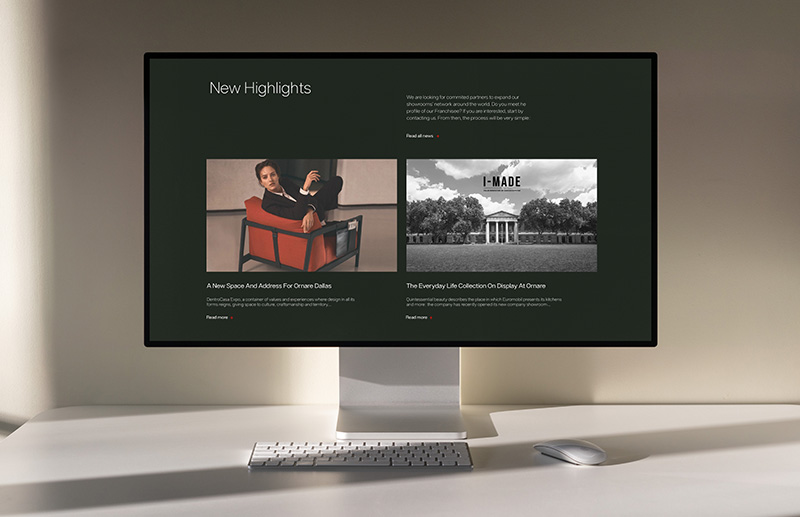
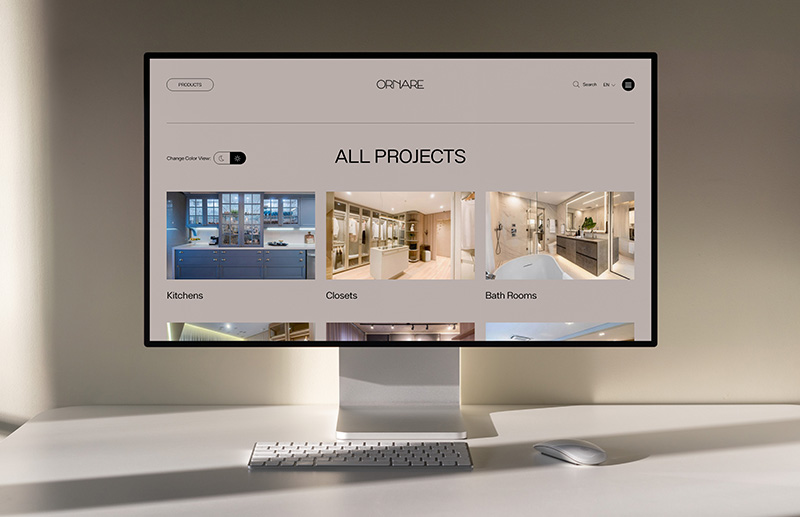
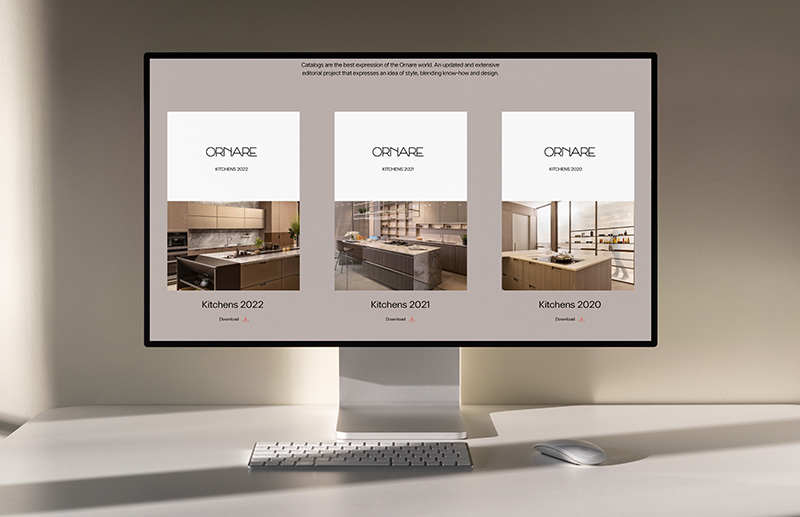
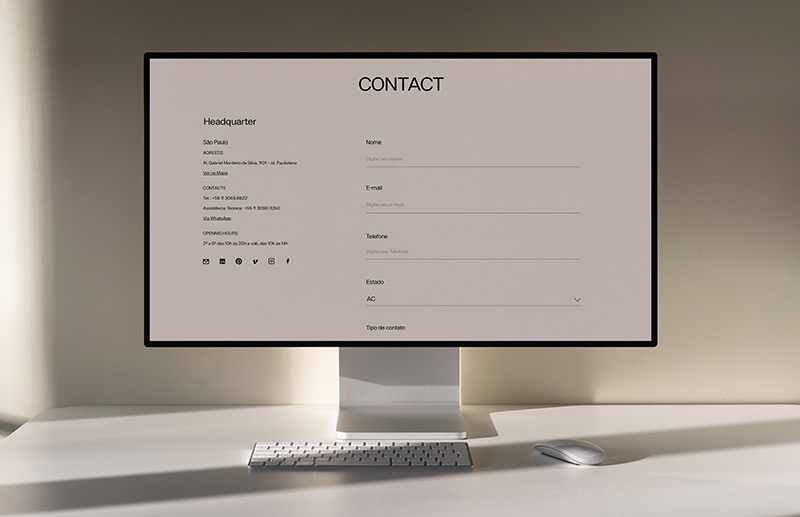
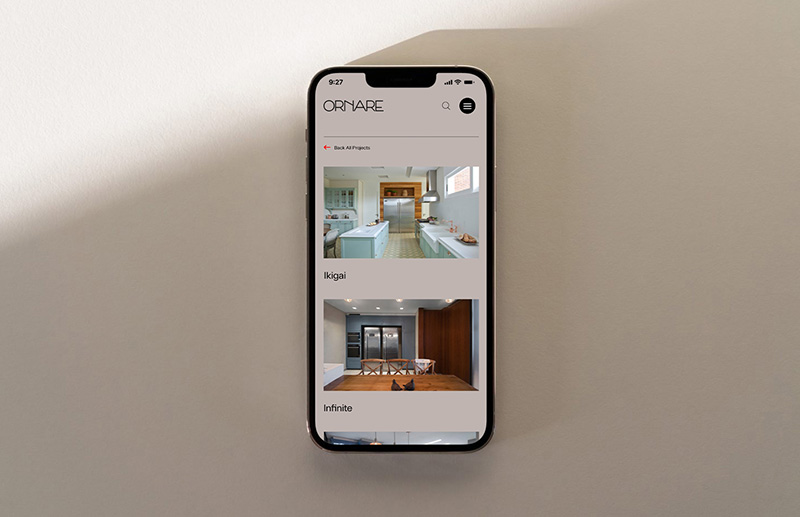
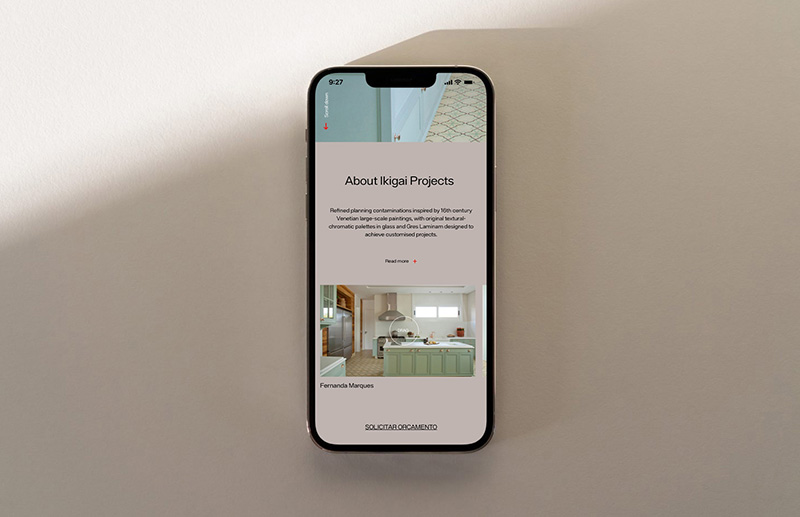
SB\Design's answer began with information architecture. Before the interface, it was necessary to understand how products, collections, environments, projects, showrooms, content and history should relate within a single structure. Sandro Bianco and SB\Design reorganized this amount of information by creating an architecture capable of serving different audiences without transforming the website into a conventional catalog. Architects can explore projects and products; clients can discover environments and collections; press and professionals can access institutional content; and international visitors can understand Ornare's dimension within a consistent experience. The project resulted in a platform with more than 30 pages, structured for desktop and mobile and available in Portuguese, English and Spanish.
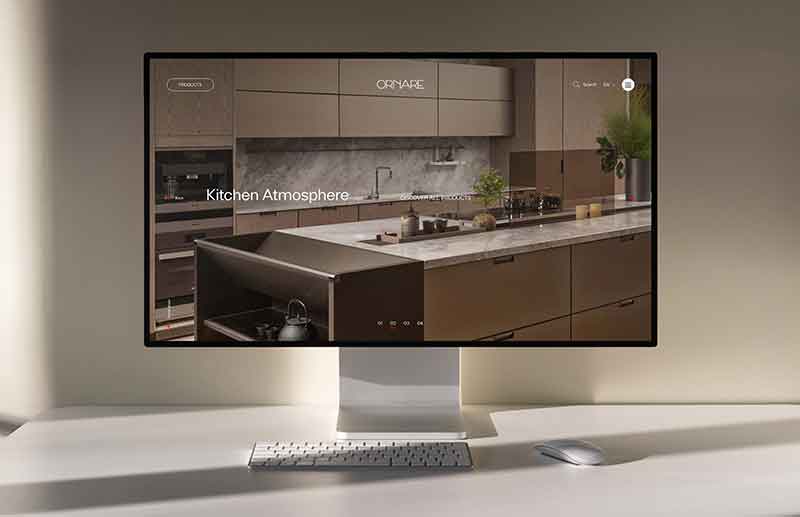
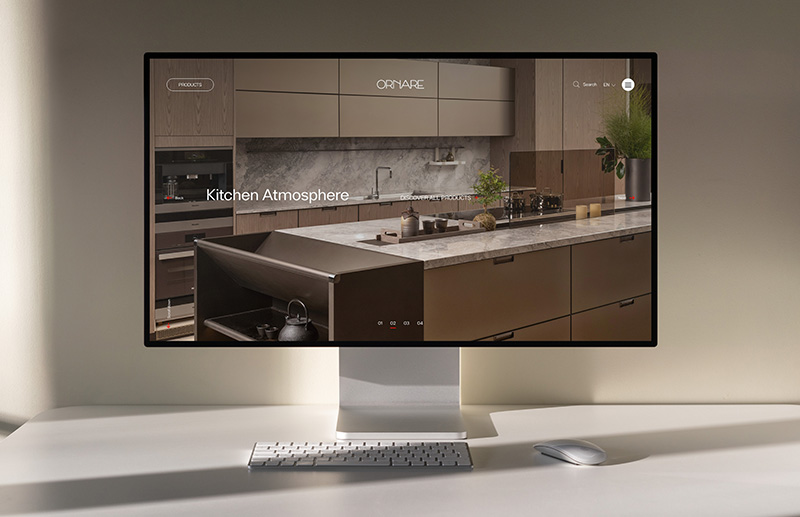
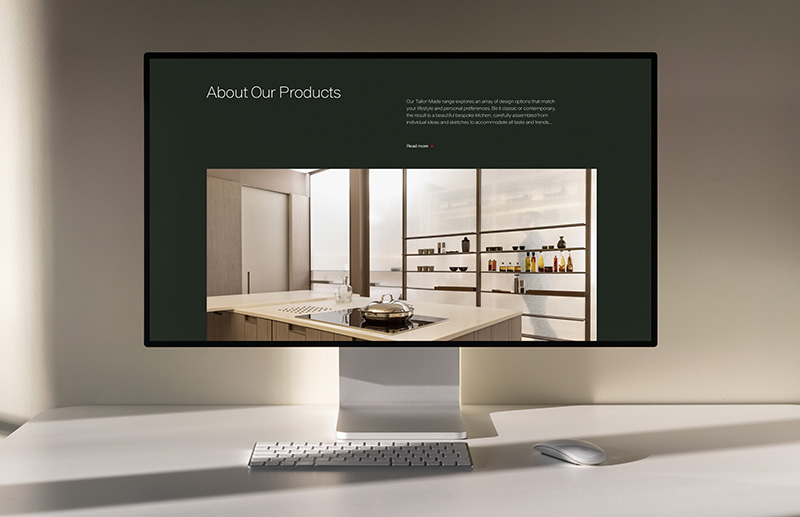
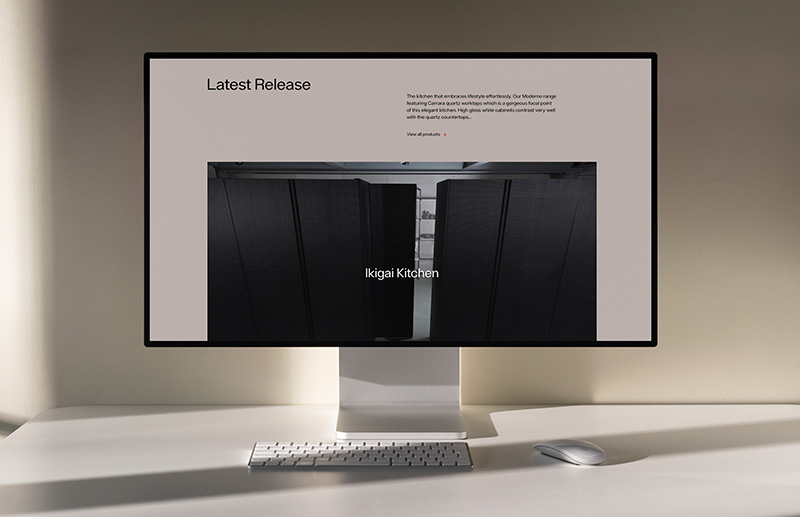
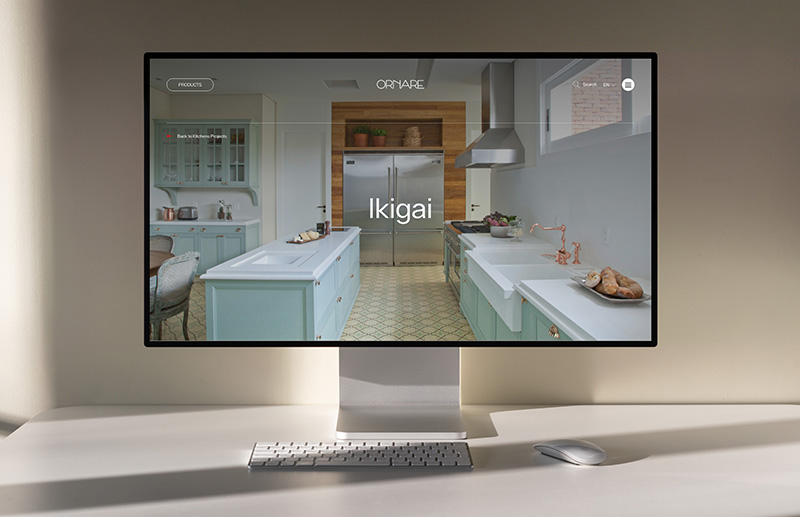
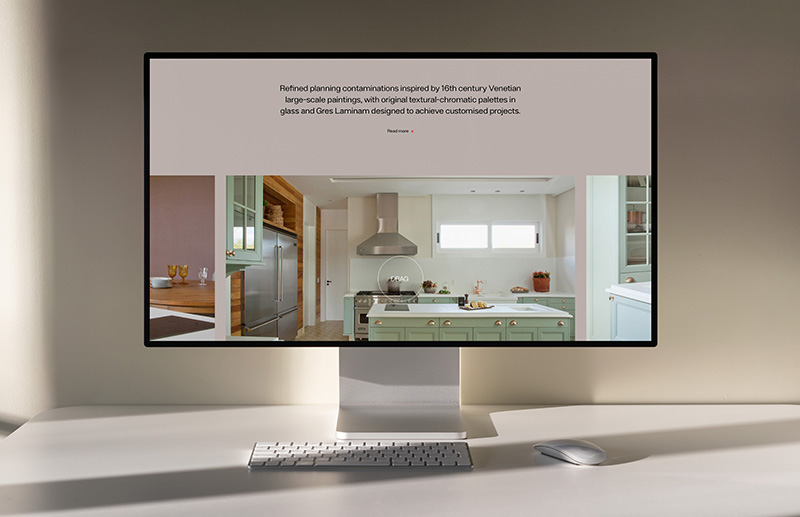
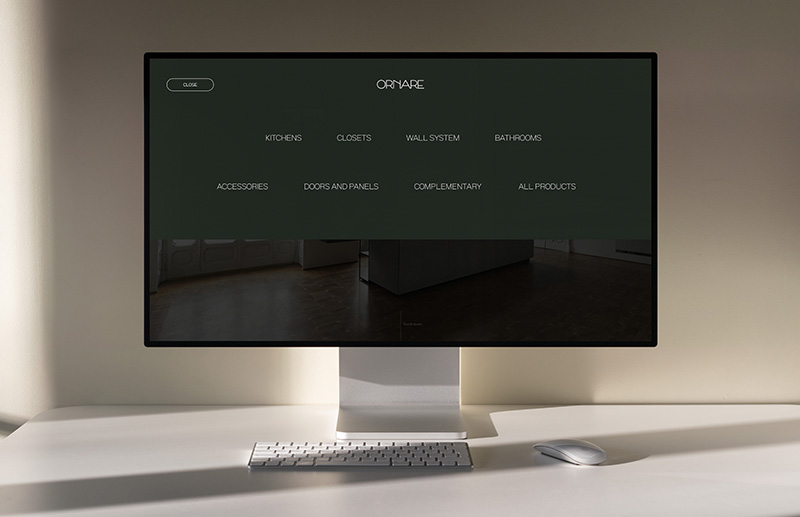
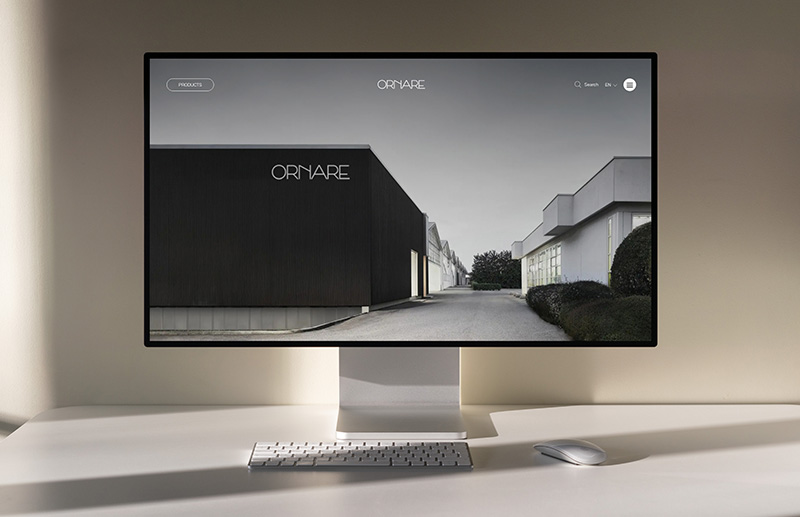
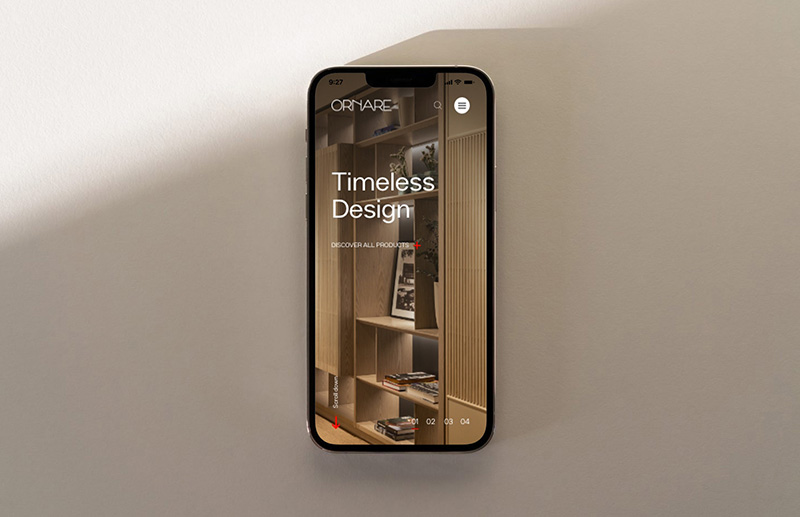
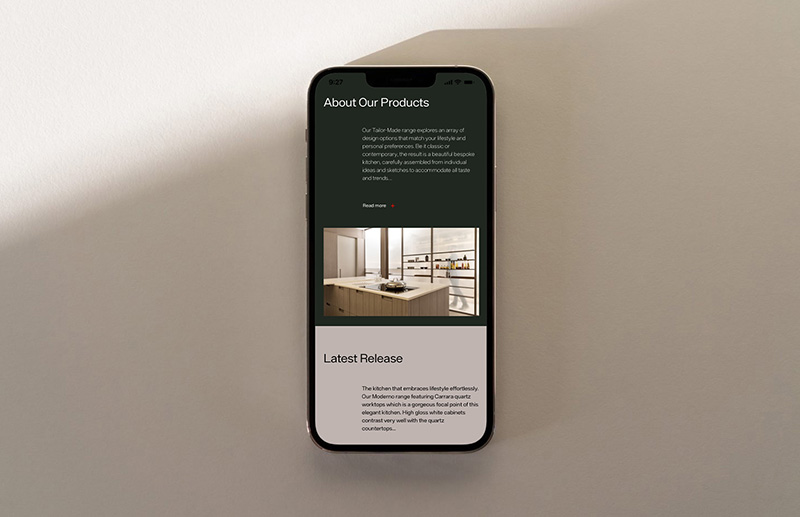
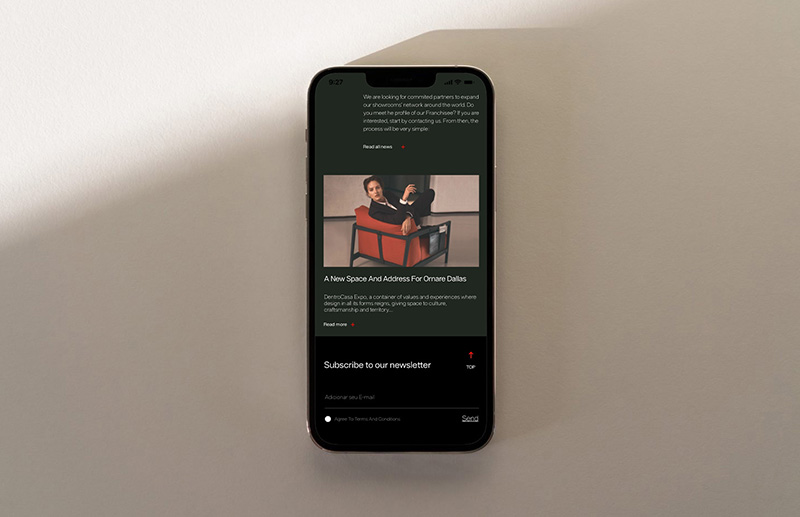
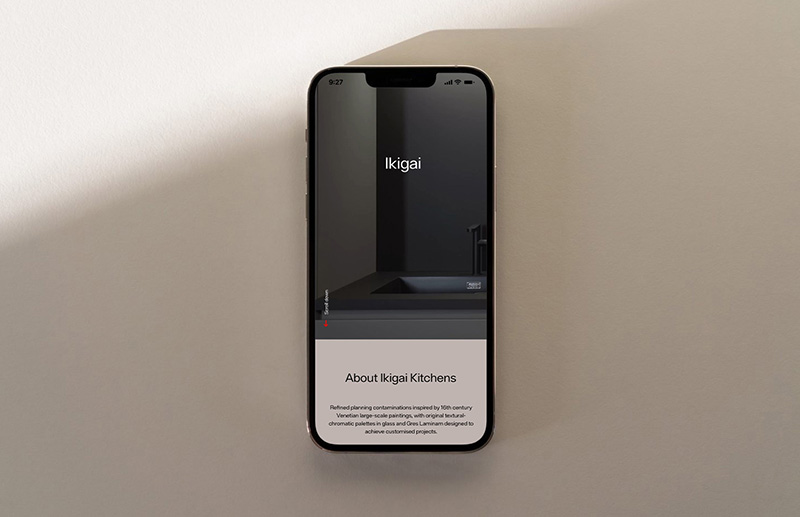
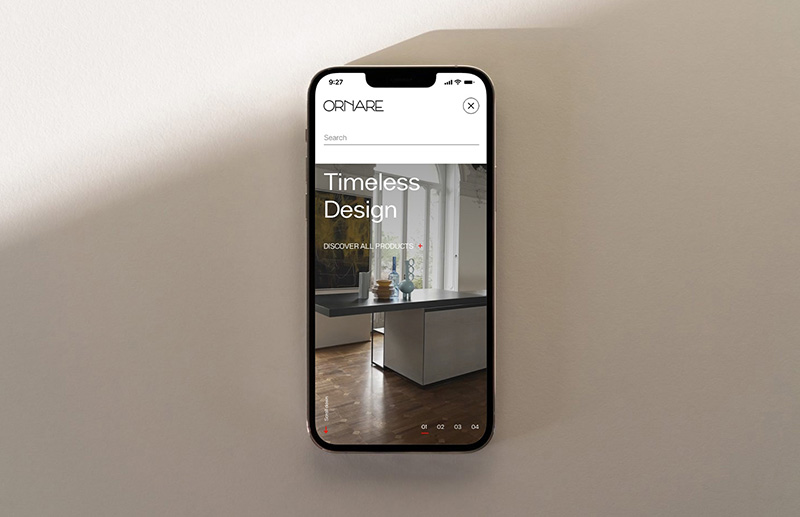
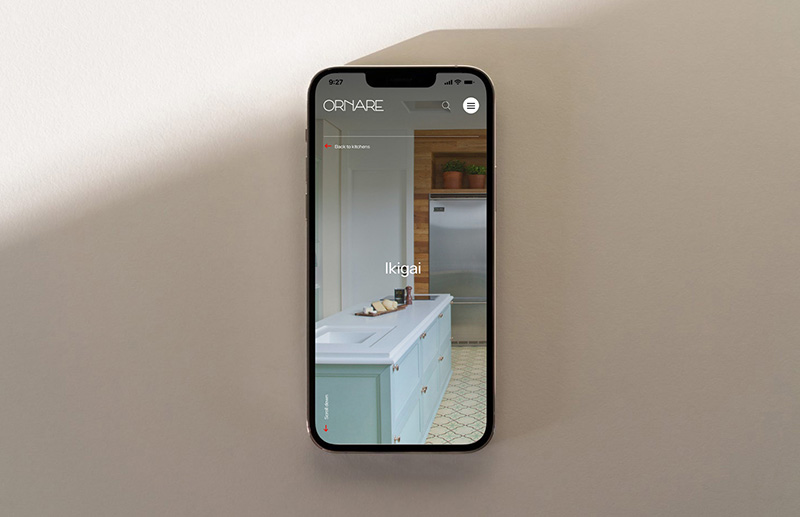
This organization became the basis for the UX/UI Design work developed by SB\Design. Instead of creating an interface that competed for attention with the product, Sandro Bianco worked in the opposite direction. The design should practically disappear. Large images, generous breathing space, precise typography, navigation reduced to the essential, editorial grids and discrete movements allow materials, architecture, environments and products to be the protagonists. The logic brings the digital experience closer to an international architecture and design publication, while maintaining the efficiency necessary to navigate an extensive universe of information.
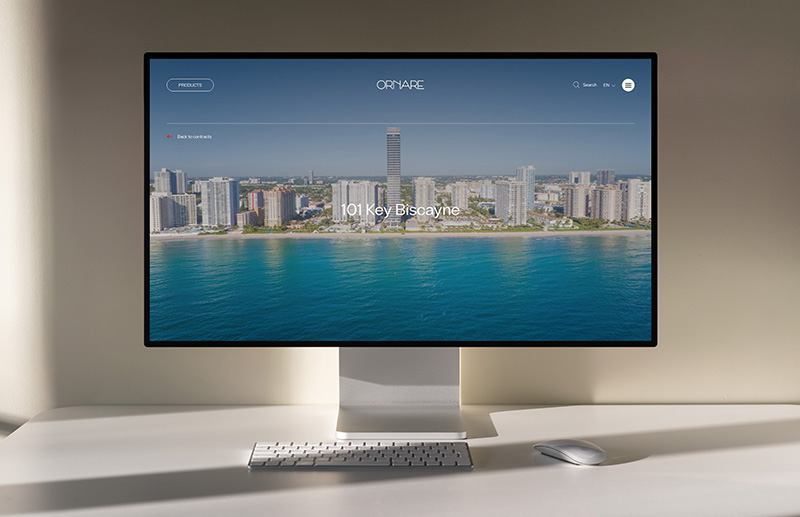
The concept can be synthesized in one idea: the showroom becomes digital. The experience of Ornare's physical spaces was always a fundamental part of brand building. Materials, lighting, scale, architecture and service transformed the showroom into an experience very different from simply observing a piece of furniture in isolation. Sandro Bianco and SB\Design sought to transport this same logic to the digital environment. The website ceased to function as a collection of pages and became a sequence of atmospheres. Products appear within architectural contexts. Projects are treated as stories. Photography occupies large areas of the interface. Information emerges progressively during navigation.
This decision also appears in the visual system. The palette is predominantly neutral. Typography functions as structure rather than ornamentation. Menus can occupy the entire screen and then disappear. Images change the chromatic atmosphere of pages. Different content coexists within a modular system capable of receiving new collections, new projects, new showrooms and new stories without losing coherence. SB\Design also developed the platform's design system and oversaw its implementation in a customized CMS, bringing concept, UX, UI and technical development closer together.
There is a direct relationship between this digital system and the moment experienced by Ornare. A brand present in only one market can organize its communication around a relatively homogeneous audience. A global brand must operate simultaneously between cultures, languages, products, architecture, press, specifiers and consumers. The website needed to function for São Paulo, Miami, New York, Dubai or Milan without losing what makes Ornare Brazilian.
This dimension became even more evident in the following years. The company continues to expand its international presence and also initiated a generational transition, with Pitter Schattan and Stefan Schattan, sons of founders Esther and Murillo, gradually assuming executive positions in the company. Ornare itself relates this new generation to the continuity of its international expansion and the opening of new showrooms around the world.
The developed project should be understood within this context. It was not simply about making a website more contemporary. It was about building a digital infrastructure capable of organizing a Brazilian brand that had become international.
Ornare's story also accompanies a larger transformation of Brazilian design itself. For decades, Brazilian furniture brands needed to gain international recognition in a market historically dominated by European and North American companies. Ornare built part of this presence by combining Brazilian production, customization, engineering, architecture, collaboration with designers and a continuous internationalization strategy. Today, the company presents its commercial network across Brazil, the United States, Dubai, Italy and other markets, while its Milan flagship establishes a particularly symbolic presence within the international design ecosystem.
For Sandro Bianco and SB\Design, organizing this universe digitally meant translating nearly forty years of history into a contemporary experience. Digital strategy, information architecture, UX, UI, art direction, design system and development oversight became functioning parts of the same system.
The result is a platform that does not seek to explain Ornare through excess information. It organizes complexity to allow the user to discover the brand. This may be the most important aspect of the project: transforming a complex system into an apparently simple experience.