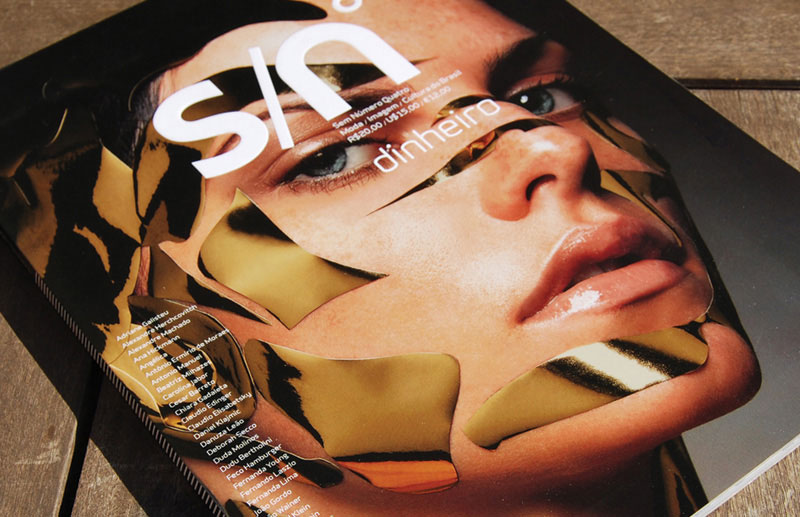
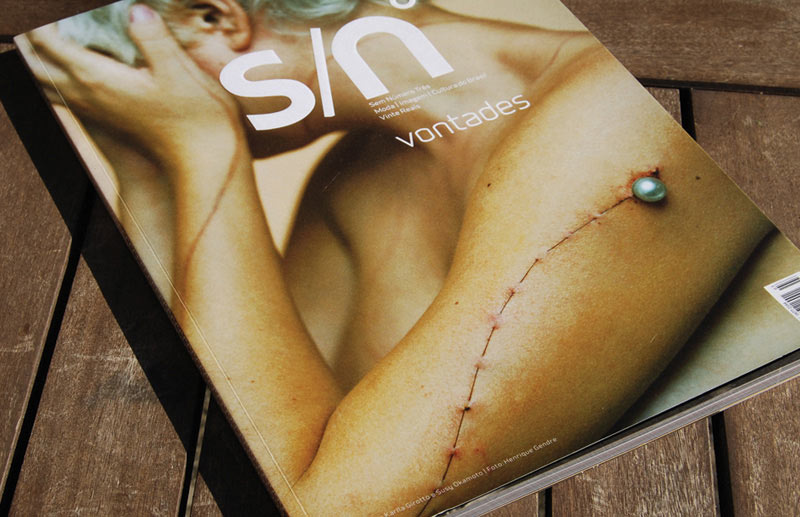
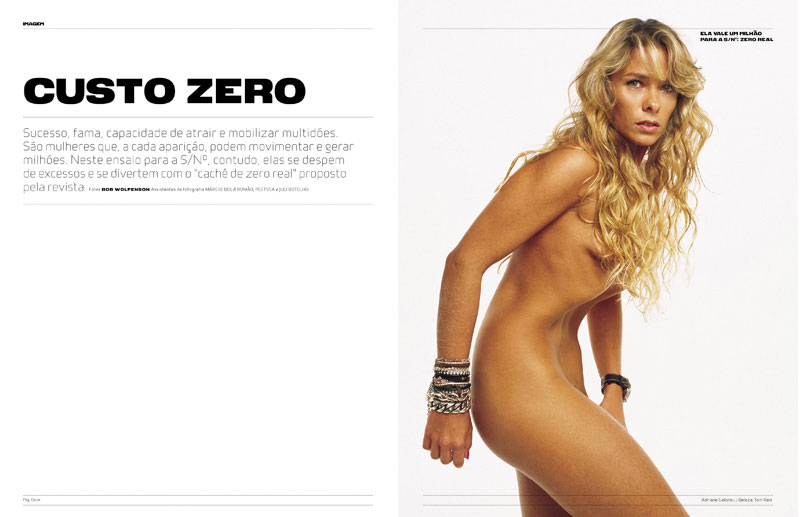
Long before social media transformed how fashion, photography, and design were consumed, printed magazines held a central role in building contemporary visual culture. In the early 2000s, S/Nº was born as an independent publication dedicated to fashion, photography, art, and behavior, envisioned by Hélio Rosas, Roberto Cipolla, Bob Wolfenson, and Helio Hara. Far more than a magazine, S/Nº became a space for creative experimentation, bringing together photographers, journalists, designers, artists, and stylists around an editorial project that valued freedom of expression, graphic excellence, and visual innovation. At a time when photography was transitioning from film to the digital realm and the internet had yet to transform communication, each issue was awaited as a cultural event.
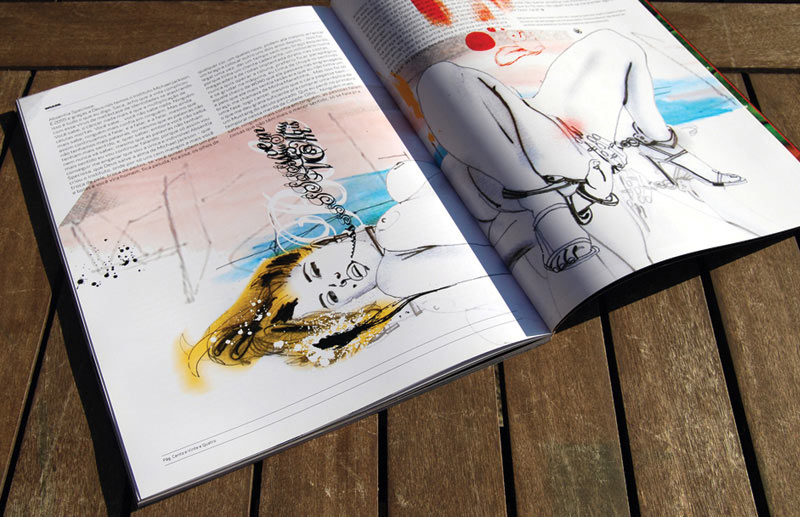
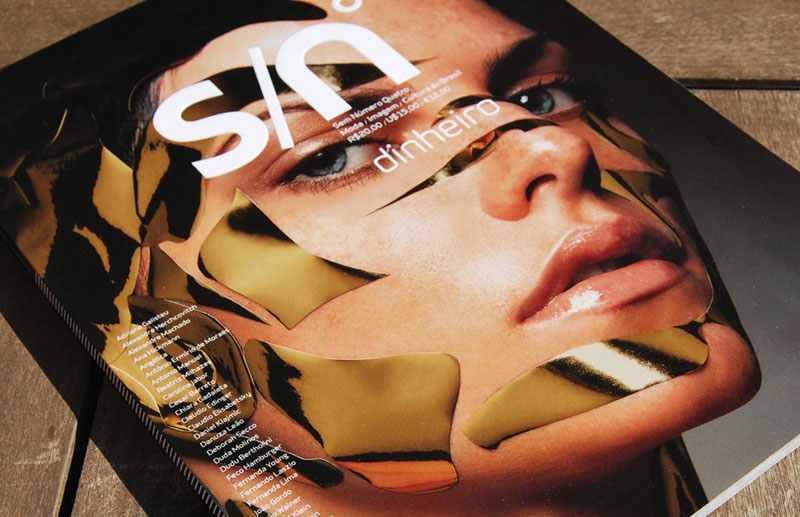
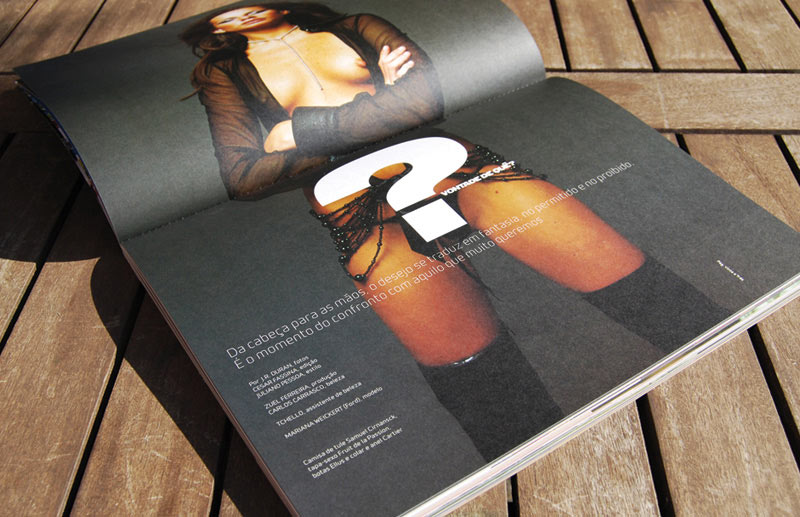
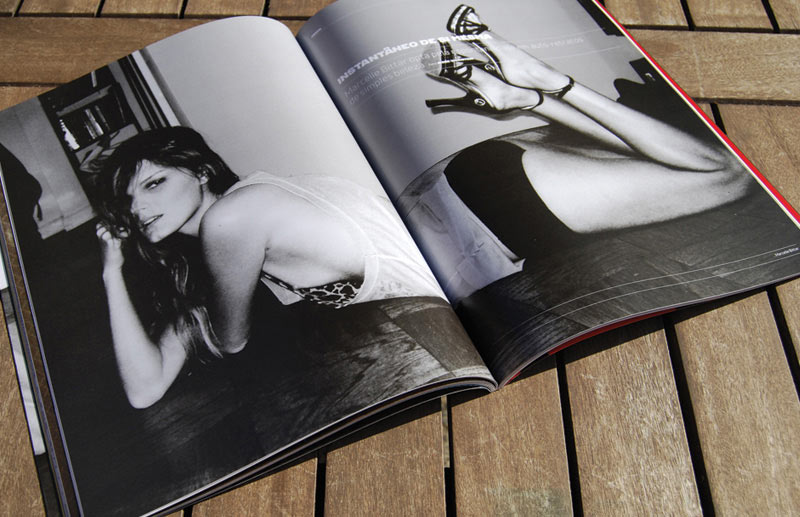
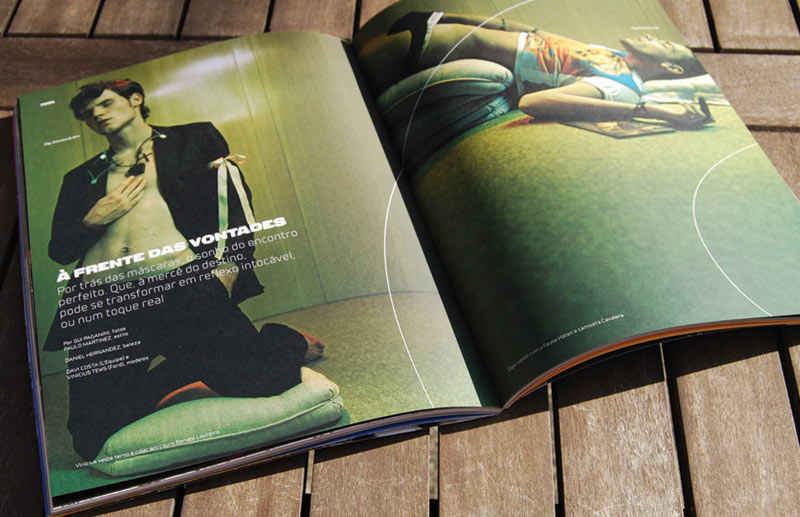
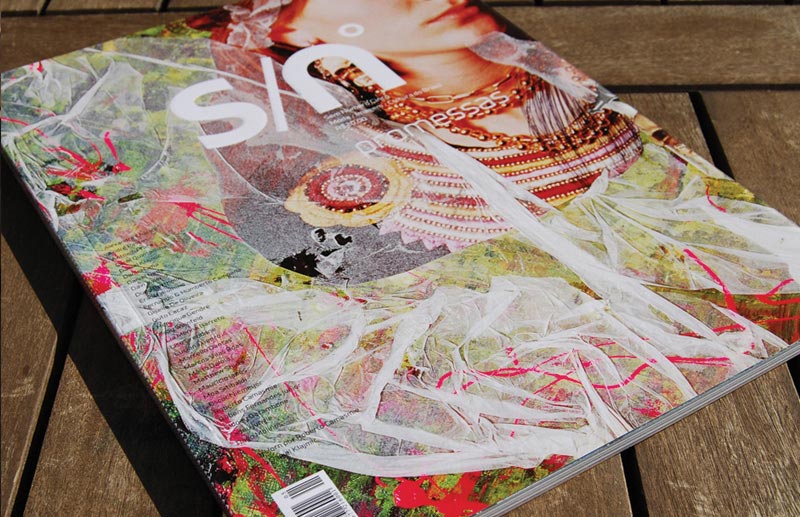
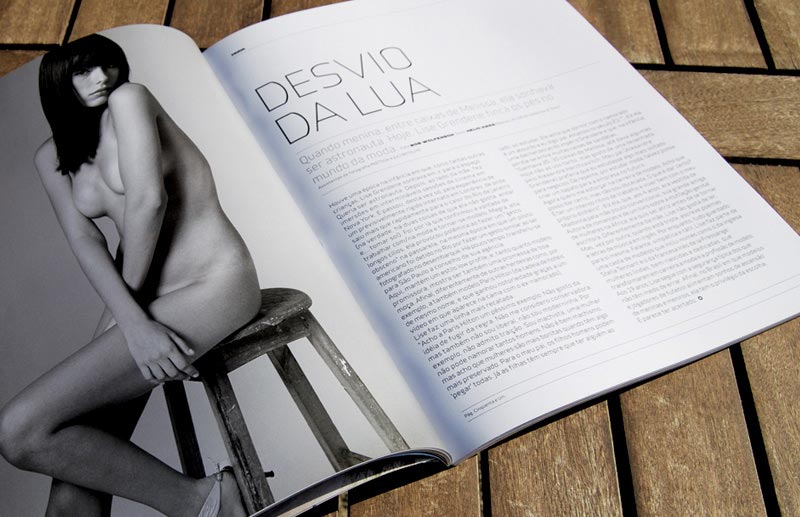
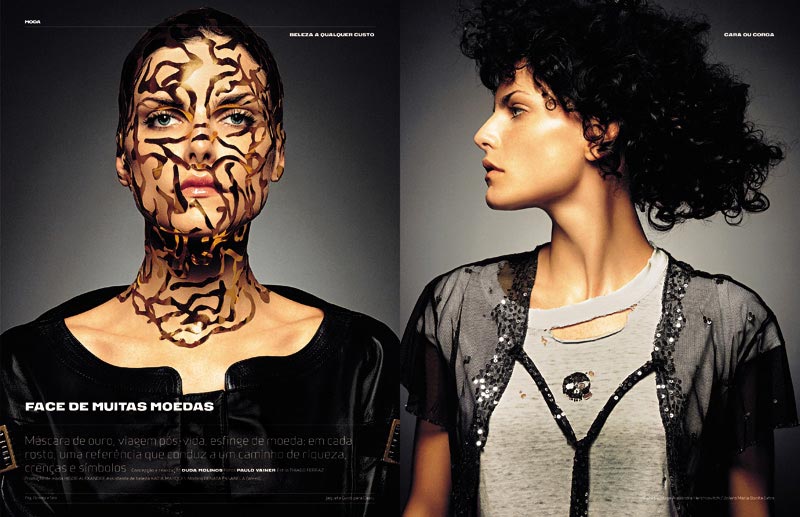
It was in this context that Sandro Bianco was invited by Helio Rosas and Roberto Cipolla to develop the graphic design for multiple issues of the magazine. For any designer passionate about art, fashion, and photography, participating in S/Nº represented one of the highest possible professional recognitions. The publication brought together some of the country's leading creative talents and offered rare freedom to explore new editorial solutions, transforming each issue into its own visual identity, built from the magazine's central theme and the strength of the images produced by Bob Wolfenson and guest photographers.
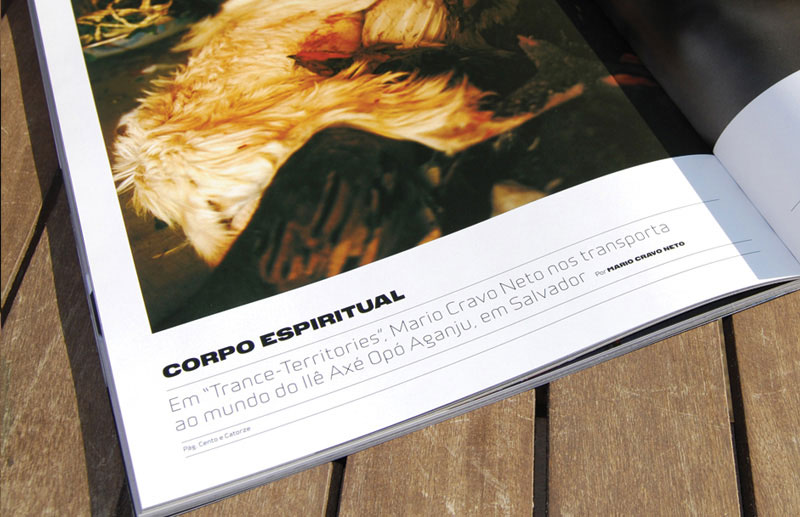
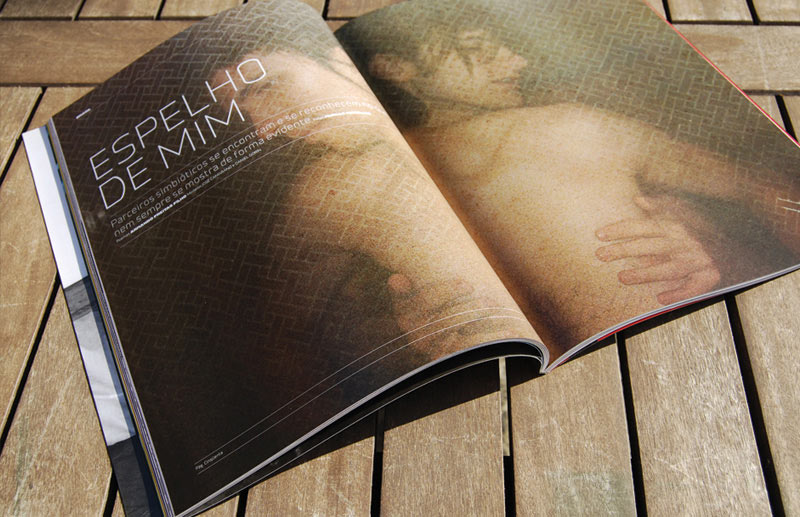
At SB\Design, the challenge was never simply to lay out a magazine. The work consisted of creating editorial systems capable of enhancing visual narrative without competing with it. Typography, rhythm of reading, hierarchy of information, image scale, white space, and art direction were treated as part of the same language, allowing photography, text, and design to coexist in a balanced manner. Each issue demanded an unprecedented graphic solution, developed specifically for its editorial concept, reinforcing a characteristic that has accompanied Sandro Bianco's entire trajectory: translating complex content into sophisticated, intuitive, and memorable visual experiences.
Throughout its history, S/Nº established itself as one of the most relevant independent publications in Brazilian fashion, gaining international recognition among the world's 100 best independent magazines and winning awards for the excellence of its graphic design. More than documenting trends, the magazine helped build a generation of photographers, designers, art directors, and creatives who saw editorial design as an authorial discipline. For SB\Design, being part of this story represented the opportunity to work in one of the country's most sophisticated creative environments, contributing to a publication that remains a reference in editorial design, fashion, photography, and visual culture.
Participating in S/Nº profoundly marked Sandro Bianco's trajectory and helped consolidate an approach that remains present in SB\Design today: using design as a system capable of connecting strategy, narrative, and visual expression. At a time when print was still the primary vehicle of cultural influence, the magazine demonstrated that editorial design could transcend its informative function to become an aesthetic, sensory, and intellectual experience. More than two decades later, the graphic quality, strength of the images, and creative freedom of S/Nº remain current, reaffirming its place as one of the most important publications in recent Brazilian editorial design history.