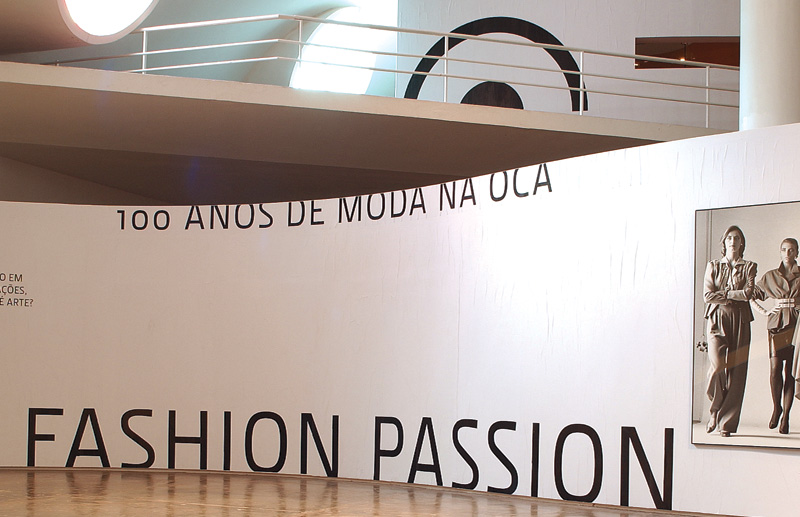
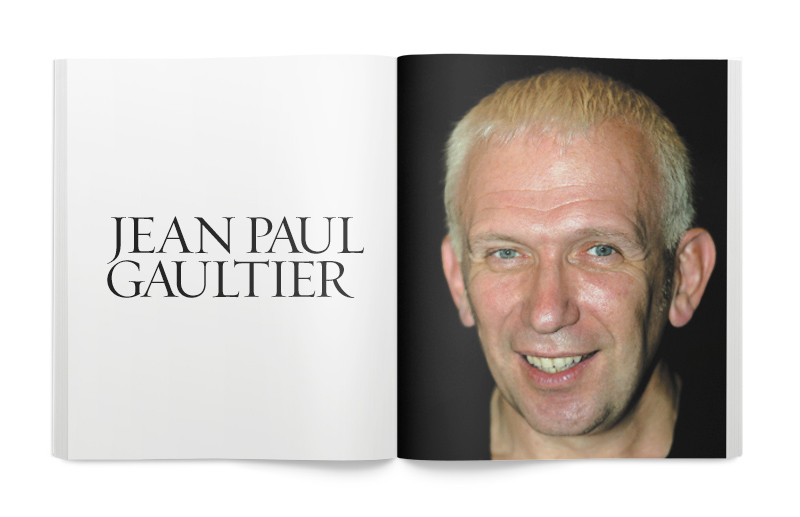
Few exhibitions have brought together architecture, art, design, and fashion on the same scale as Fashion Passion – 100 Years of Fashion at the OCA. Held in São Paulo, in the monumental OCA, a building designed by Oscar Niemeyer in Ibirapuera Park, the exhibition presented an overview of fashion's evolution throughout the twentieth century and early twenty-first century, bringing together some of the greatest creators in history. The exhibition brought to the Brazilian public pieces by names such as Christian Dior, Yves Saint Laurent, Cristóbal Balenciaga, Gabrielle Chanel, Jean Paul Gaultier, John Galliano, Alexander McQueen, Martin Margiela, Comme des Garçons by Rei Kawakubo, Yohji Yamamoto, Junya Watanabe, Issey Miyake, Vivienne Westwood, Thierry Mugler, Azzedine Alaia, Dries Van Noten, Helmut Lang, Nicolas Ghesquière, Hussein Chalayan, Raf Simons, and various other designers who transformed fashion into one of the principal cultural manifestations of the last century. More than an exhibition of clothing, Fashion Passion presented fashion as artistic language, relating garment, photography, architecture, behavior, and design in a continuous narrative that fully occupied one of Brazil's most emblematic cultural spaces.
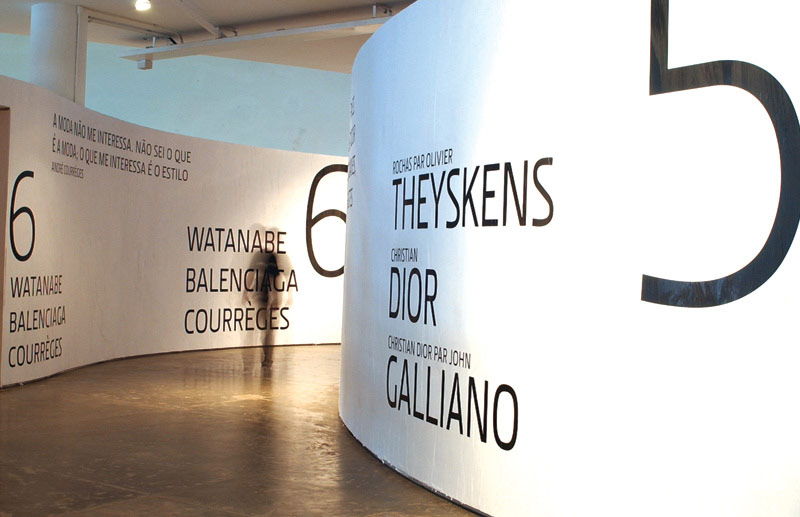
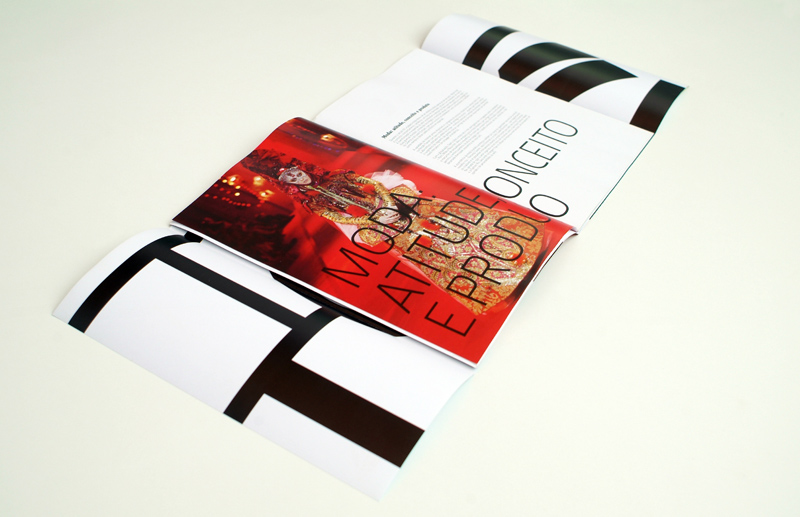
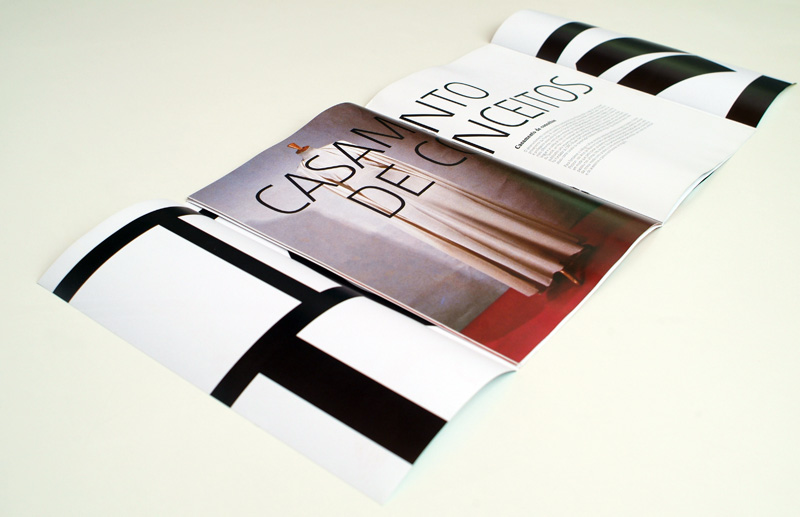
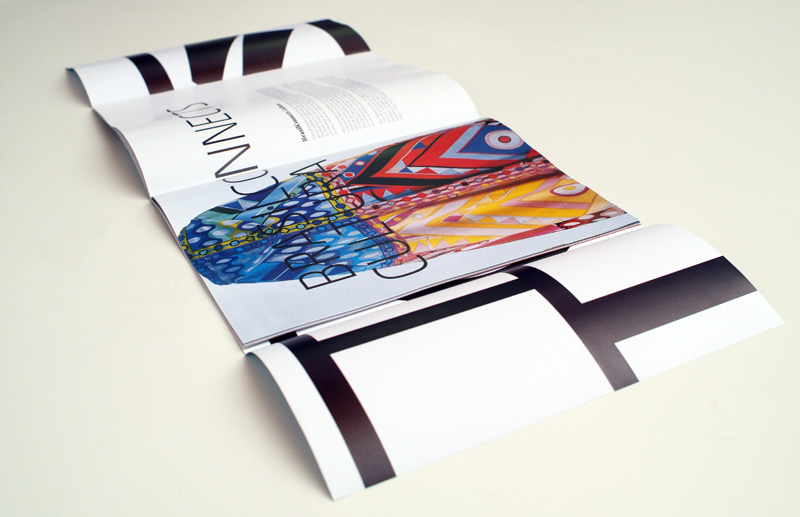
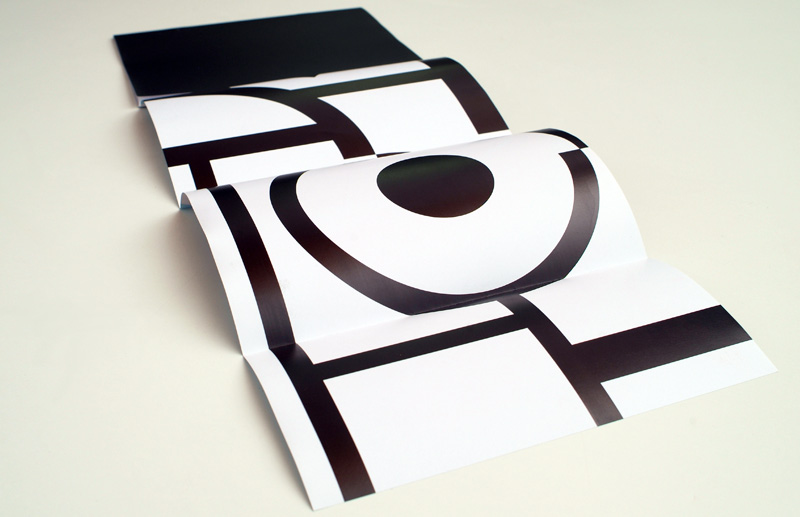
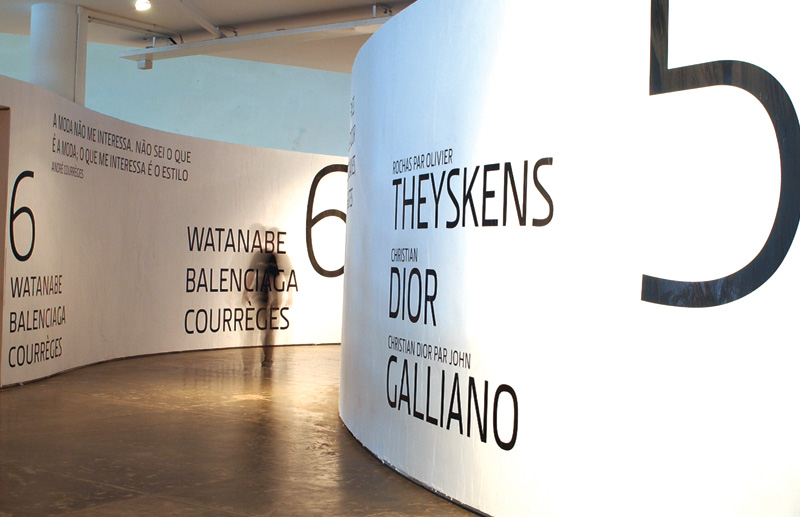
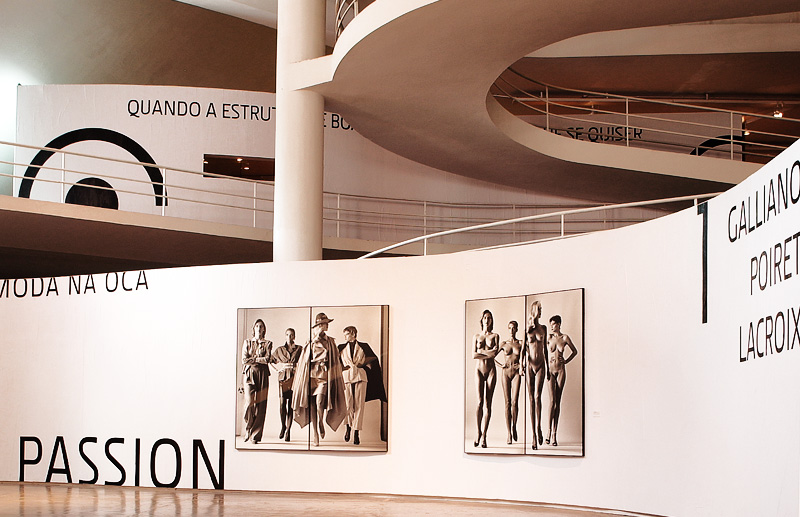
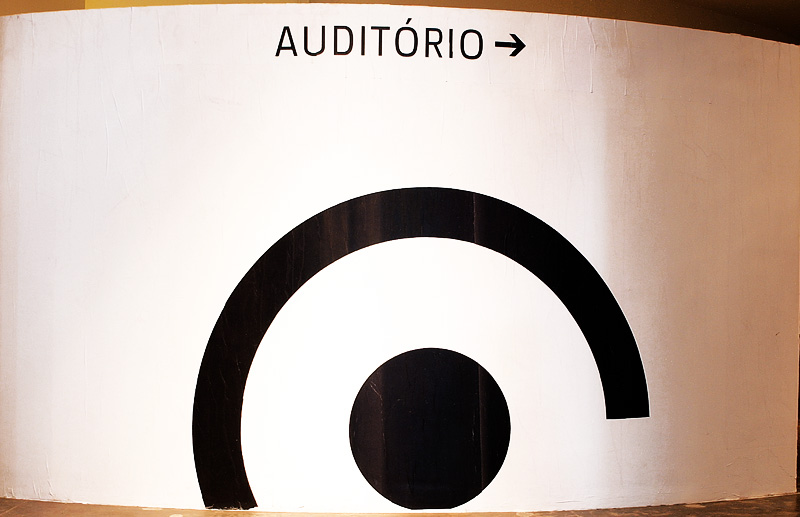
It was in this context that Sandro Bianco took the lead in developing the exhibition's graphic system. During his work at Bookmark Branding, invited by Roberto Cipolla and Hélio Rosas, and in partnership with Luminosidade, a company founded by Paulo Borges and responsible for some of Brazil's most important fashion-related projects, Sandro acted as Head of Design, coordinating the creation of the exhibition's visual identity and entire communication system. The challenge was extraordinary. The curved architecture of the OCA, conceived by Oscar Niemeyer, practically eliminated conventional exhibition surfaces, requiring a graphic system capable of dialoguing with large scales, long pathways, and different visiting rhythms. Monumental typography, signage, exhibition panels, editorial materials, visual identity, catalog, invitations, promotional pieces, and various graphic elements needed to function as a single language, guiding thousands of visitors through a clear, sophisticated, and profoundly contemporary visual narrative. The graphic project was conceived to respect the existing architecture, using the white surfaces, large typographic masses, and a minimalist language that allowed the artworks and fashion pieces themselves to remain as protagonists.
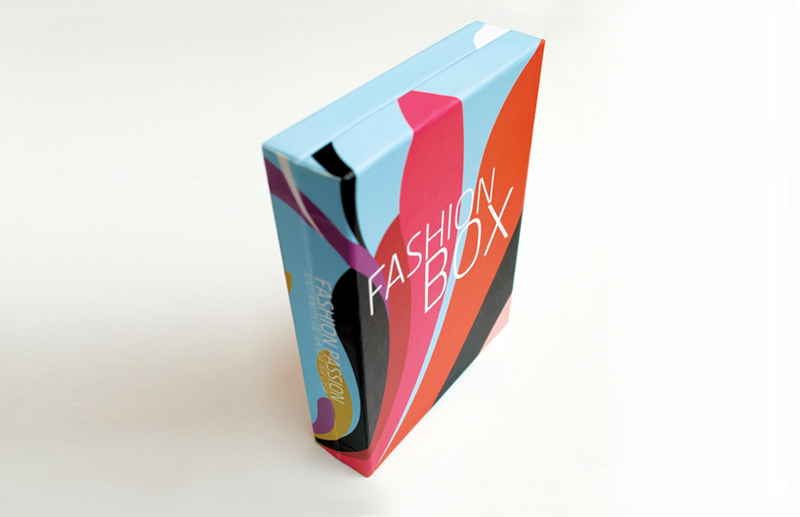
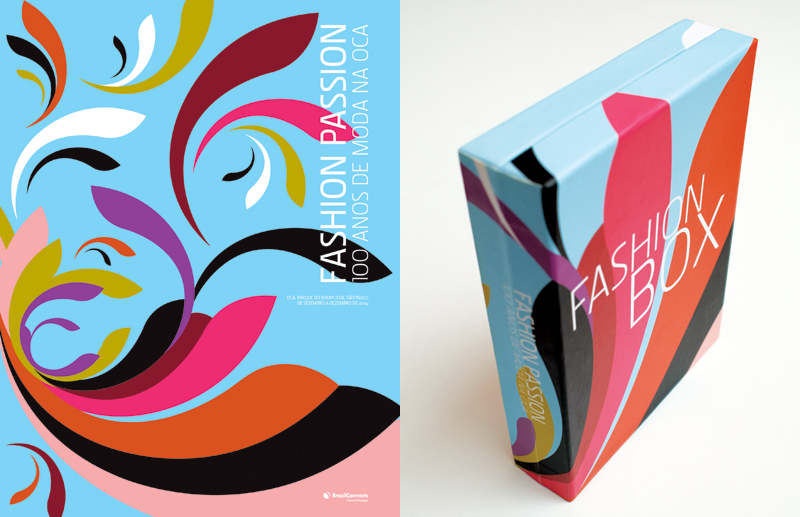
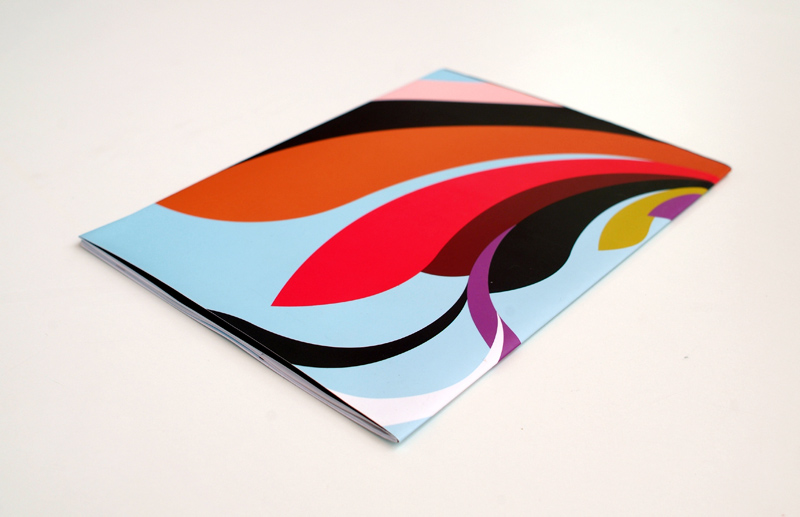
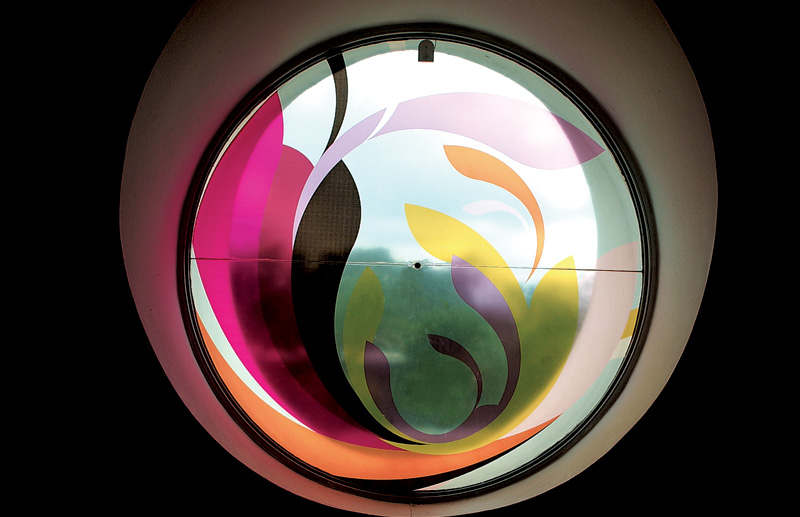
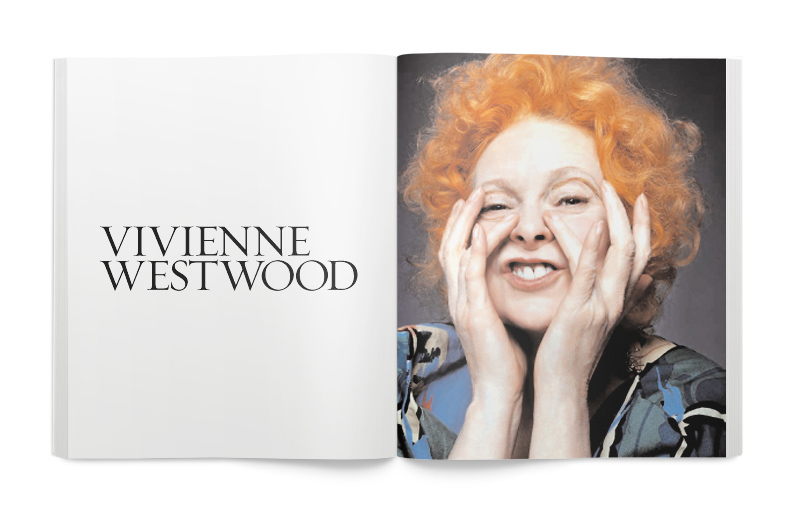
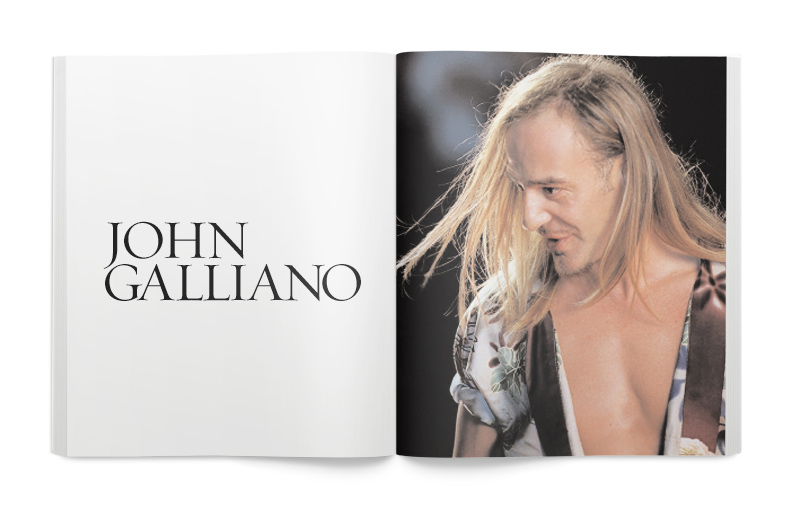
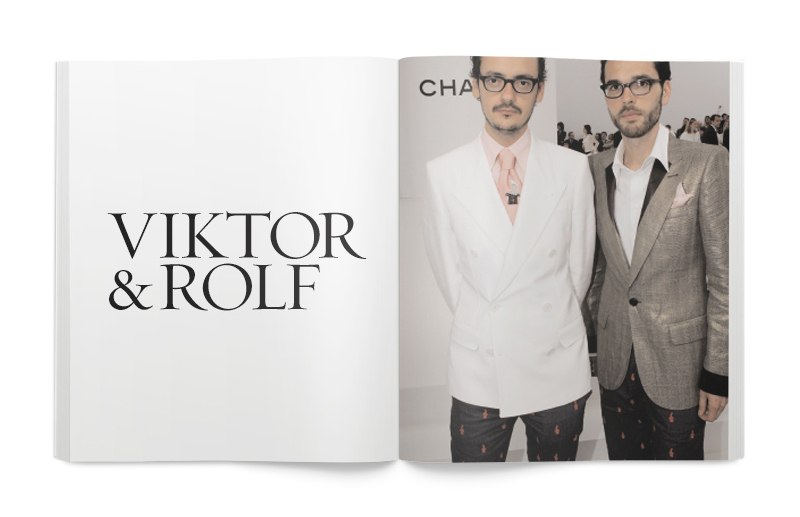
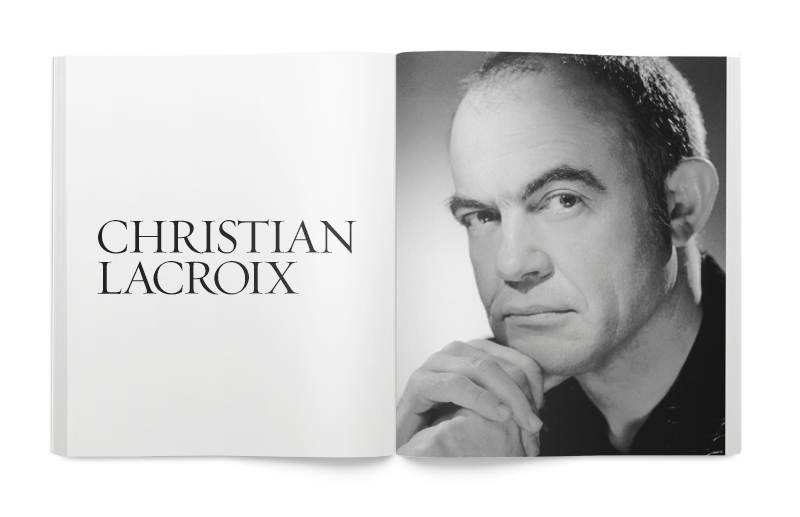
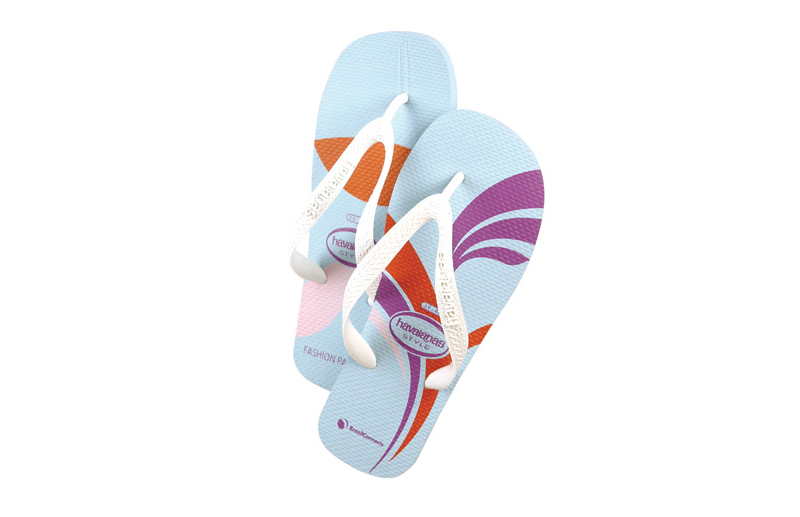
Beyond the exhibition's main identity, SB\Design, represented by Sandro Bianco, developed an extensive set of editorial and institutional materials, including the official catalog, the Fashion Box, promotional publications, and a visual system capable of translating the creative diversity presented throughout the exhibition. The catalog became an editorial piece of great importance, organizing decades of fashion history through clean, sophisticated, and highly typographic art direction. The Fashion Box, in turn, explored a vibrant graphic language inspired by the dynamism of contemporary fashion, contrasting with the exhibition's sobriety and expanding the brand's presence across different formats. The entire project was developed with extreme graphic rigor, demonstrating an almost artisanal attention to printing details, typographic composition, editorial rhythm, and graphic finish – characteristics that have always marked Sandro Bianco's work.
For SB\Design, Fashion Passion remains one of the most emblematic projects in its trajectory. Few works bring together, in a single initiative, architecture, editorial design, visual identity, signage, art direction, graphic production, and fashion on such a significant scale. Leading the development of the graphic system for an exhibition of this dimension represented not only an enormous technical challenge, but also the opportunity to collaborate directly with some of Brazil's foremost names in fashion, culture, and design. This project solidified Sandro Bianco's experience in creating complex identity systems for major cultural exhibitions and reinforced a characteristic present throughout SB\Design's history: transforming information, space, and narrative into coherent, sophisticated, and memorable visual experiences.