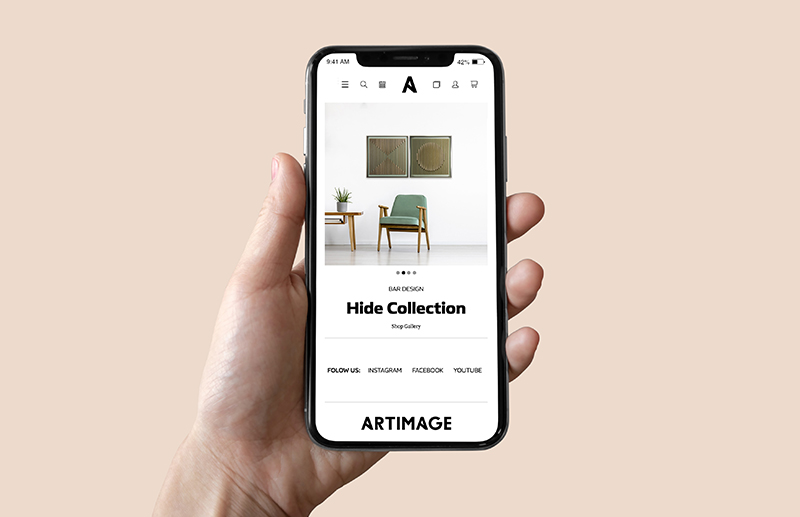
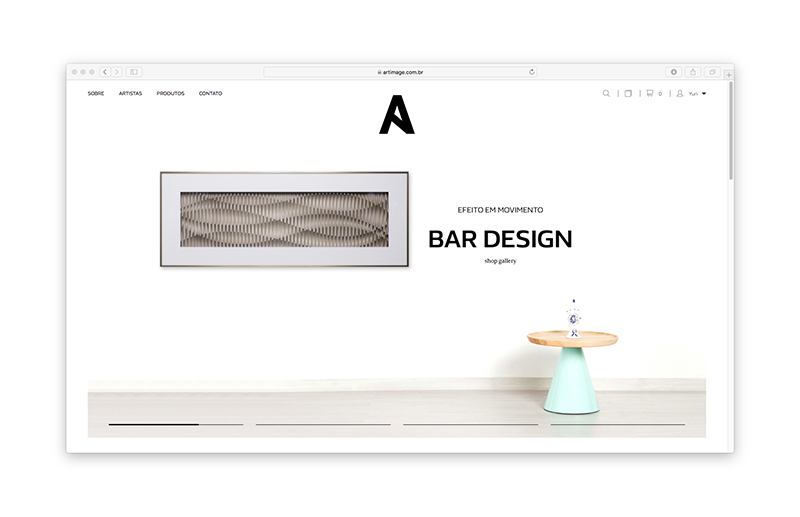
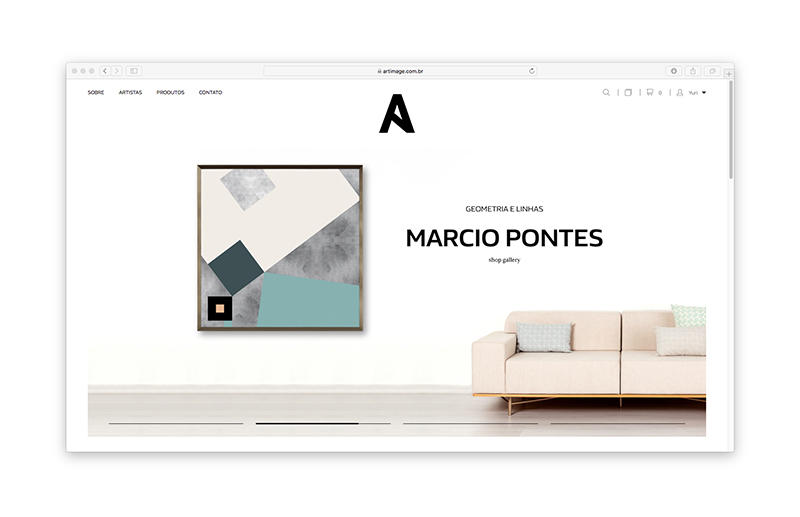
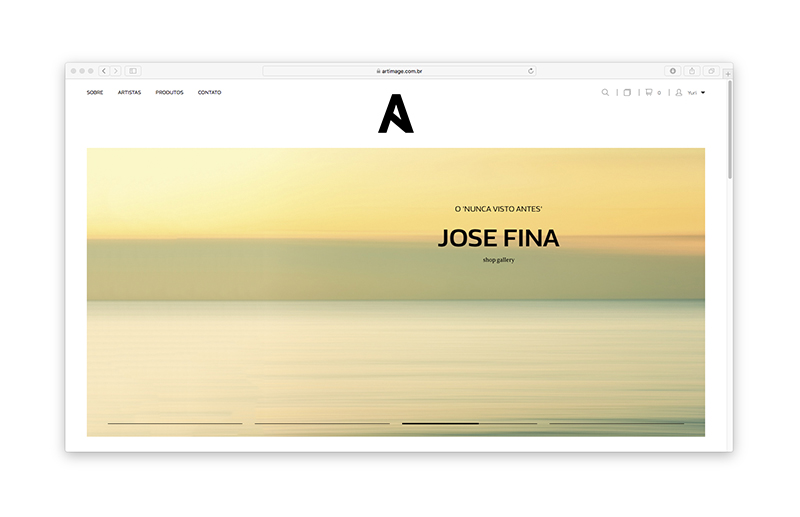
In 2015, long before digital transformation became a priority for most Brazilian companies, Artimage faced a challenge that directly limited its growth capacity. Recognized as one of the country's largest art publishers and distributors, with a catalog of hundreds of artists, thousands of works, and an extensive network of retailers, architects, galleries, and resellers, all commercial operations still relied on PowerPoint presentations, printed catalogs, spreadsheets, and manual consultations by the sales team. Finding a specific work, assembling a selection for a client, or creating a product list required time, knowledge of the collection, and intensive operational work. As the catalog grew, this model became increasingly unscalable.
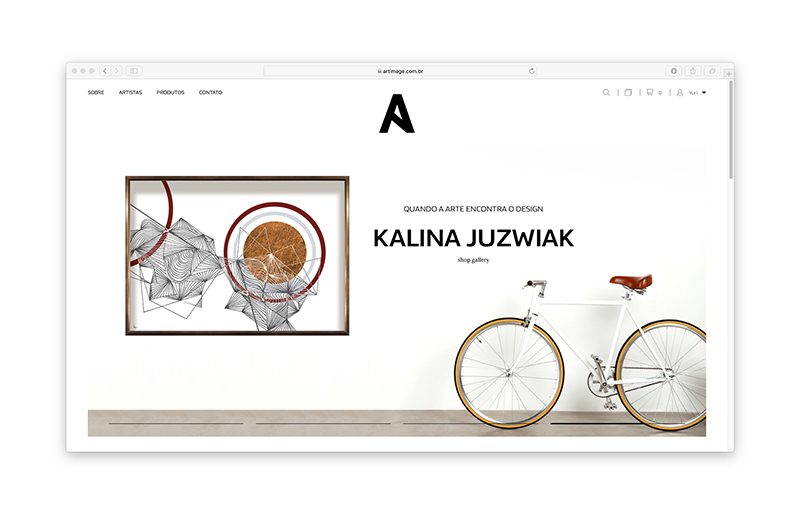
It was in this context that SB\Design, under the creative direction of Sandro Bianco, took on the complete development of Artimage's new digital platform. Beyond creating a website, the goal was to redesign the entire experience of consulting, researching, and commercializing the collection. The project began by understanding the company's internal logic, mapping how works, artists, collections, formats, frames, categories, styles, and commercial information related to each other. This work resulted in a robust information architecture capable of organizing one of the largest art catalogs on the Brazilian market without losing speed, clarity, and ease of navigation.
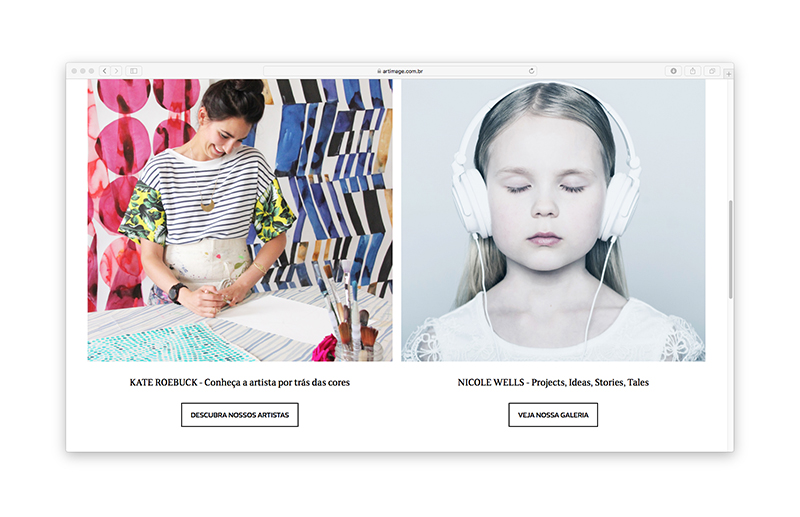
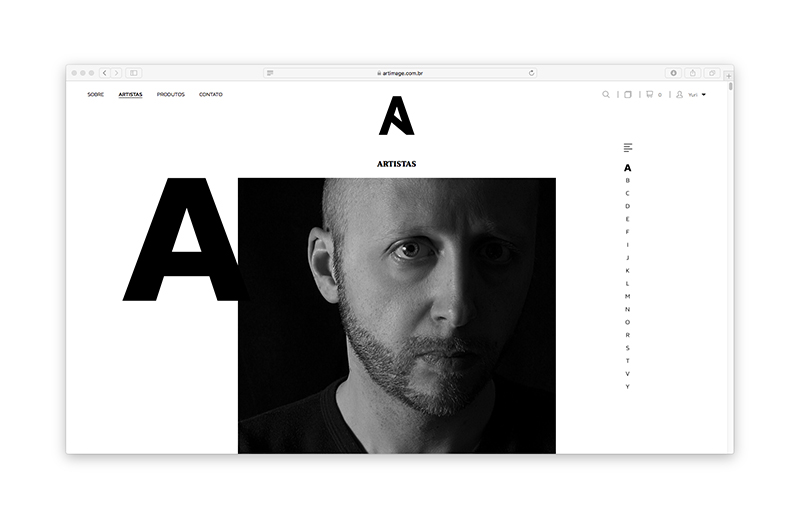
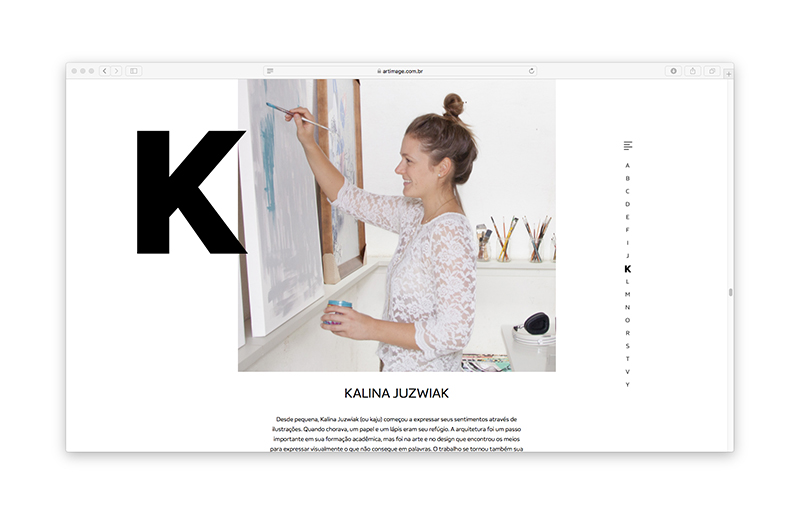
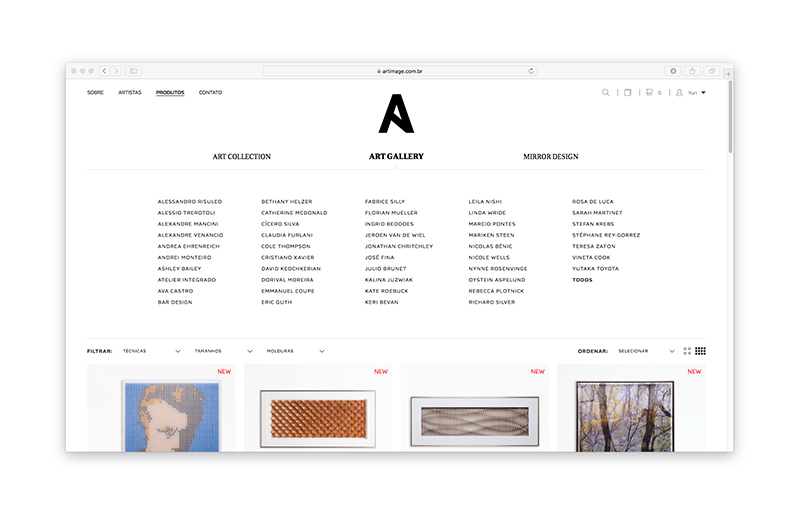
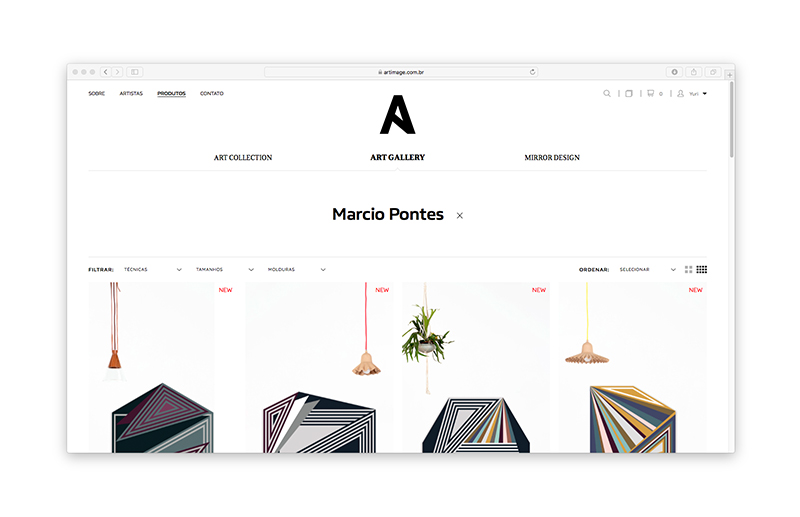
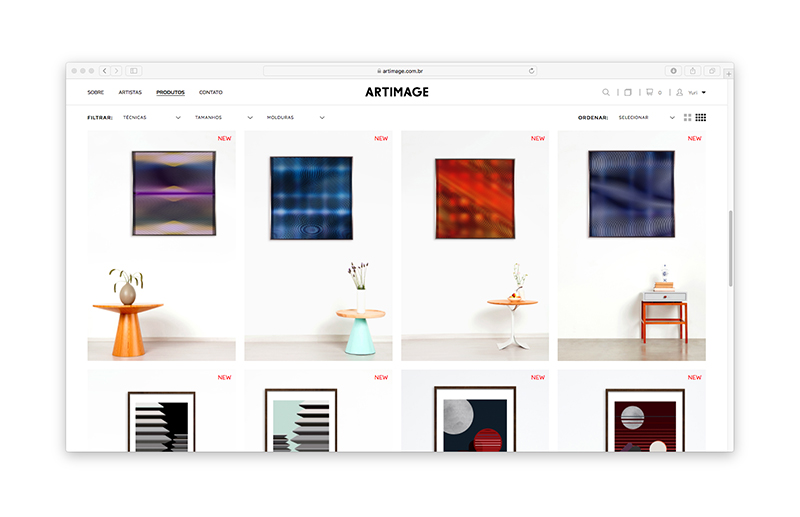
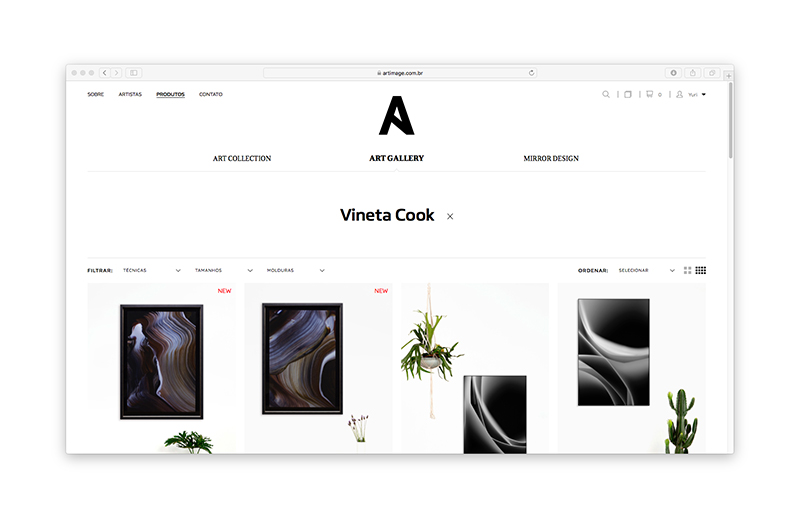
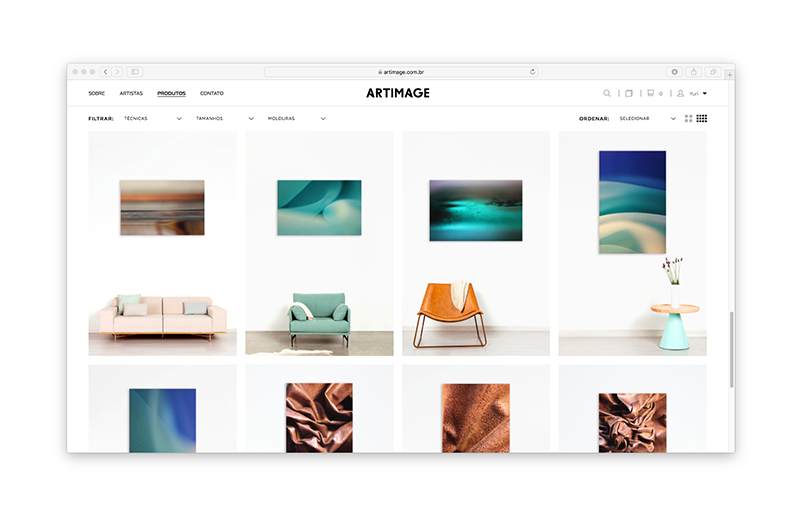
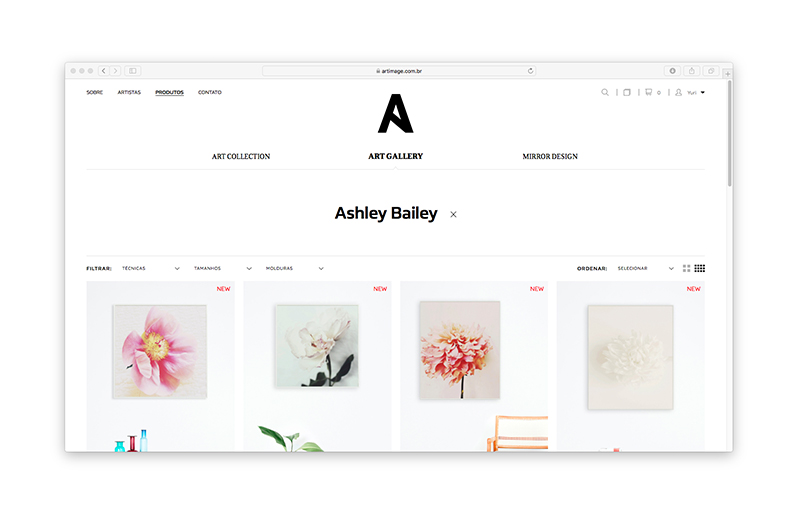
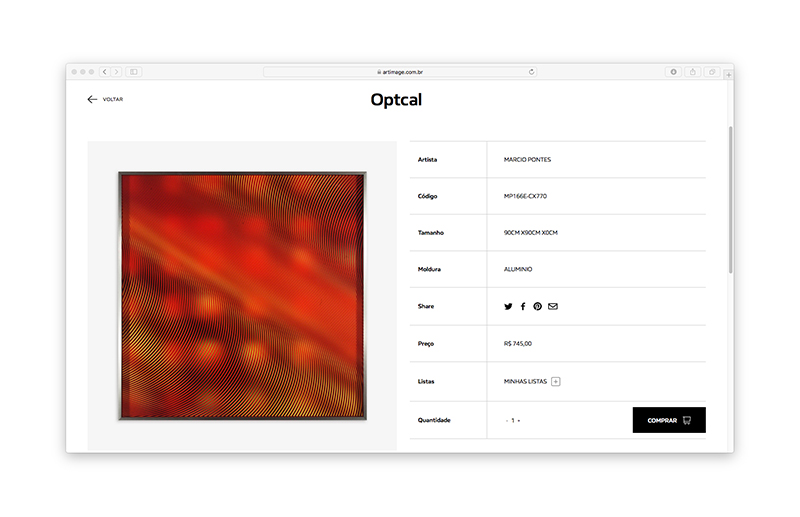
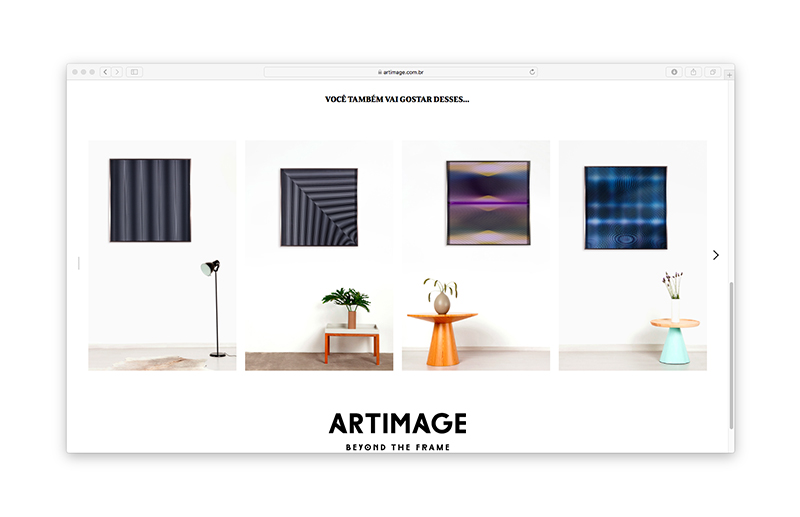
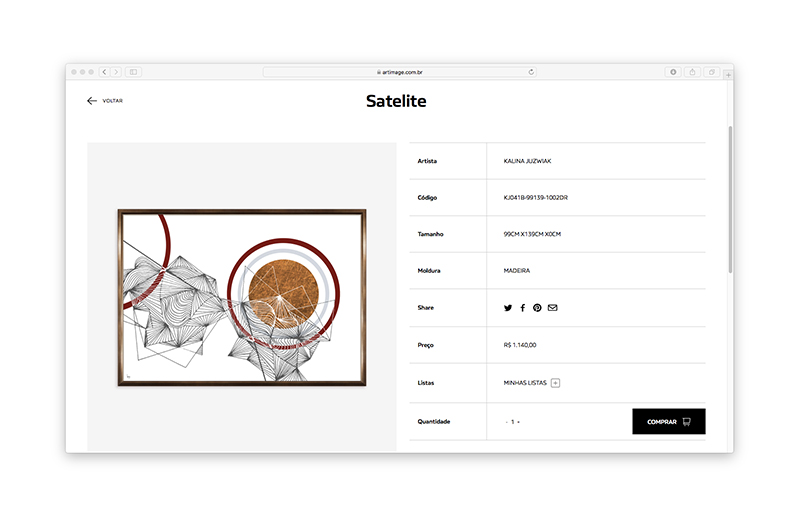
The new B2B e-commerce was developed to simultaneously serve architects, decorators, retailers, specifiers, and resellers across Brazil. Instead of browsing static catalogs, users could now search for works using intelligent filters by artist, category, environment, style, format, dimensions, colors, and various other variables. The platform also allowed creating personalized product lists, organizing selections for clients, accessing technical information, and quickly consulting a collection that previously depended almost exclusively on the sales team's memory. At a time when digital experiences for the art market were extremely rare, Artimage began operating as a true consultation and sales platform.
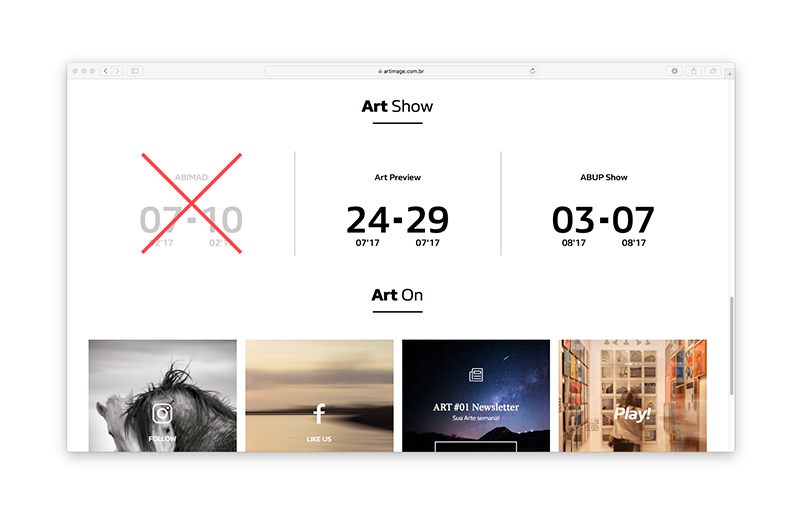
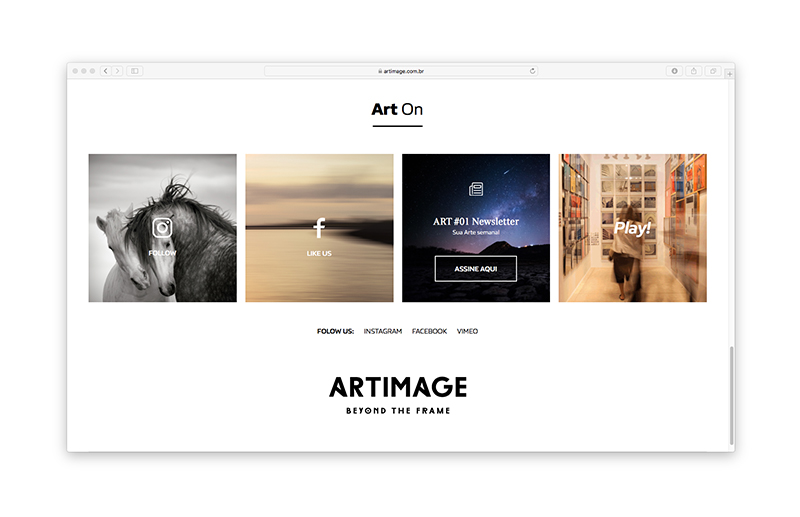
The technical challenge was proportional to the size of the collection. Each work had specific attributes, different print formats, finishing options, frames, applications, and commercial information that needed to be organized consistently. Beyond information architecture, SB\Design developed the entire UX experience, UI, digital identity, product organization, mobile and desktop navigation, search behavior, filters, and overall platform structure. Each interface decision was made to reduce search time and increase operational efficiency, transforming thousands of visual assets into a simple, intuitive, and extremely fast experience.
Perhaps SB\Design's greatest contribution was provoking a cultural shift within the company itself. Before the project, knowledge about the collection was distributed among people, documents, and presentations. After the platform's implementation, that knowledge became part of a structured, accessible system for the entire sales network. The website ceased to be merely an institutional channel to become the primary work environment for Artimage's architects, resellers, and consultants. The transformation was not just technological; it was operational, commercial, and strategic. The e-commerce began to organize business intelligence.
Even after more than a decade of its implementation, the platform continues operating daily, used by hundreds of resellers across Brazil. This is an important indicator of the quality of the architecture built by SB\Design. A system developed to last, grow alongside the catalog, and adapt to new market needs without losing consistency. Projects like this consolidate Sandro Bianco as a specialist in creating complex digital platforms, B2B e-commerce, marketplaces, information architecture, UX/UI, and digital transformation for companies working with large product bases, content, and visual assets.
More than developing interfaces, SB\Design designs systems capable of transforming how companies organize knowledge, operate commercially, and scale their businesses. The Artimage project demonstrates exactly this capability: converting an analog process into a digital platform that continues generating value years after its launch, becoming an essential part of the company's operations.