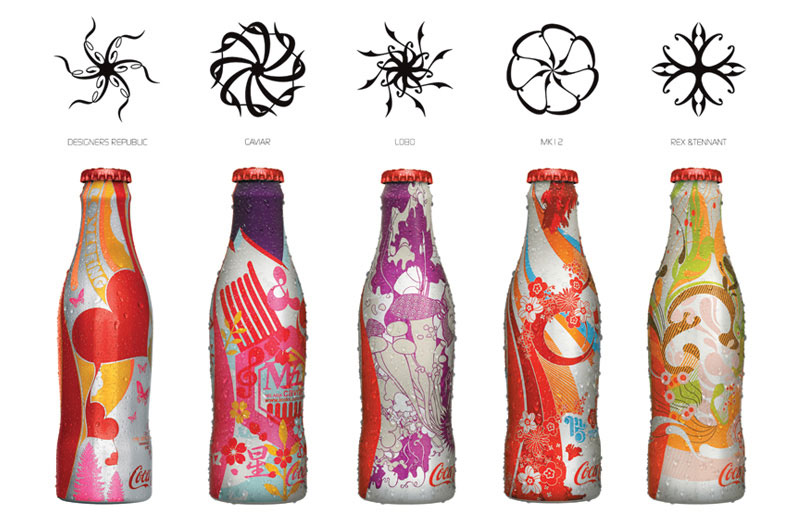
In 2006, The Coca-Cola Company launched M5 (Magnificent Five) worldwide, one of the most innovative initiatives ever developed by the brand to bring together design, culture and behavior. The proposal gathered five of the world's most important design studios, each representing a continent, to reinterpret Coca-Cola's iconic aluminum contour bottle in a limited-edition collection. Far more than a packaging project, M5 was born as a global platform that combined design, music, art, fashion, video and cultural experiences to engage a new generation of consumers. In its official materials, Coca-Cola itself defined the project's audience as trendsetters — people capable of influencing behaviors, trends and conversations within their own social circles. At a time when Facebook was still in its infancy, Instagram did not exist, and the word influencer was not yet part of the market's vocabulary, the brand was already seeking new ways to build relationships through authentic communities.
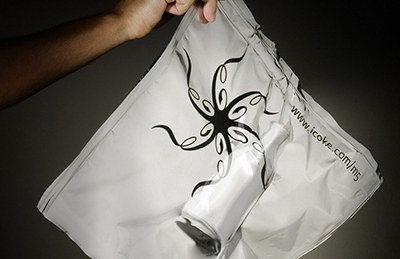
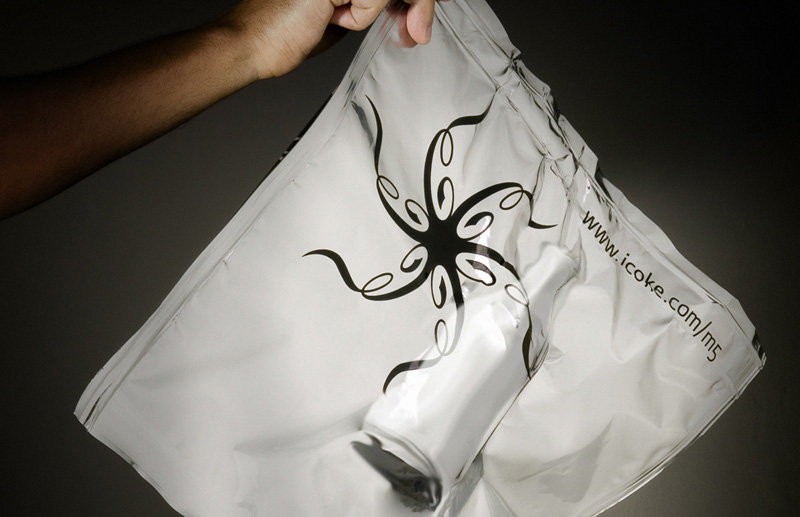
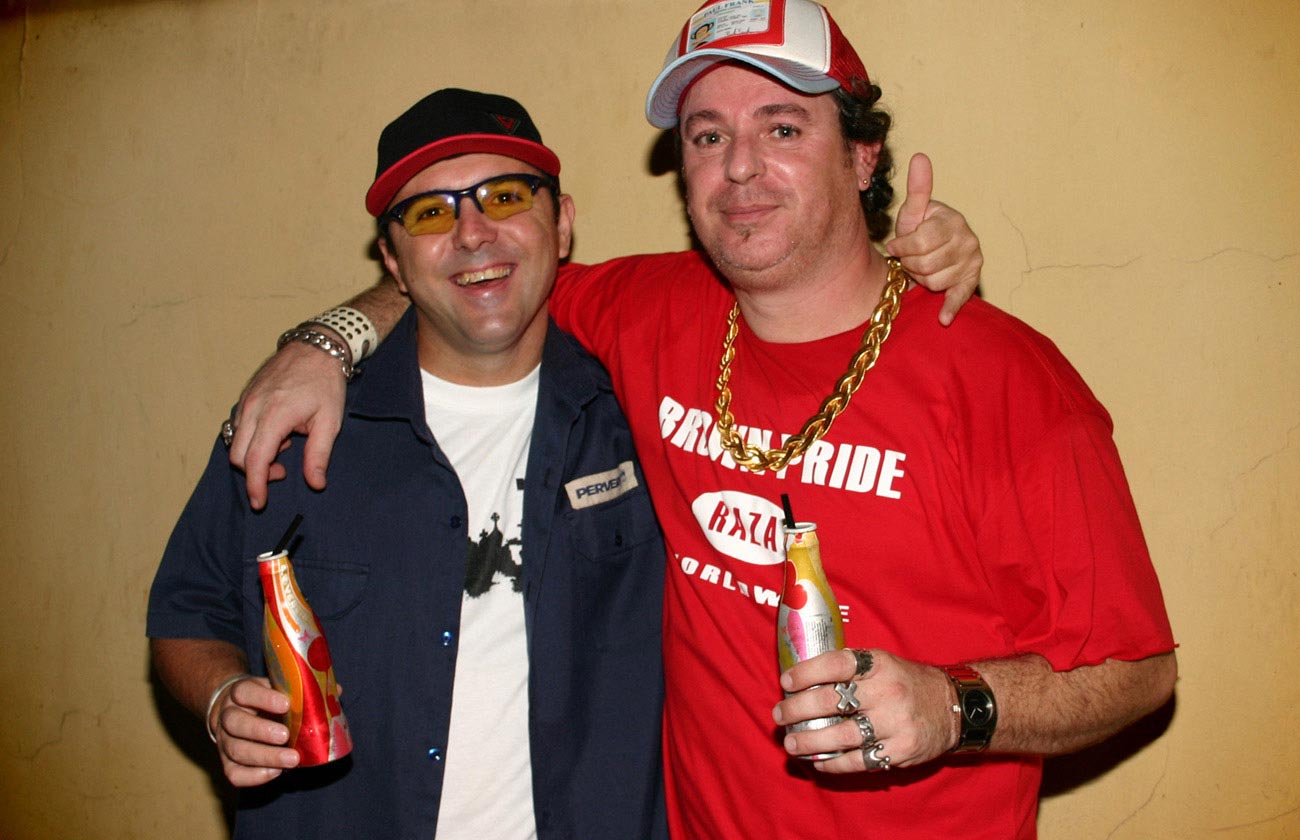
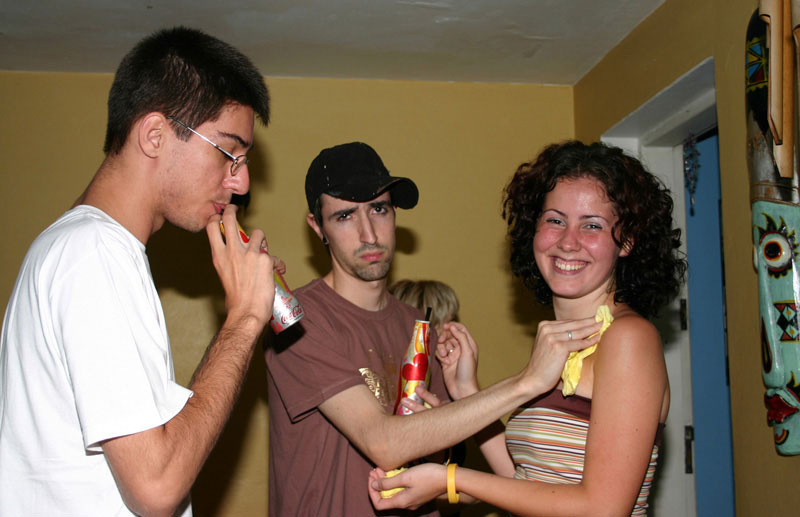
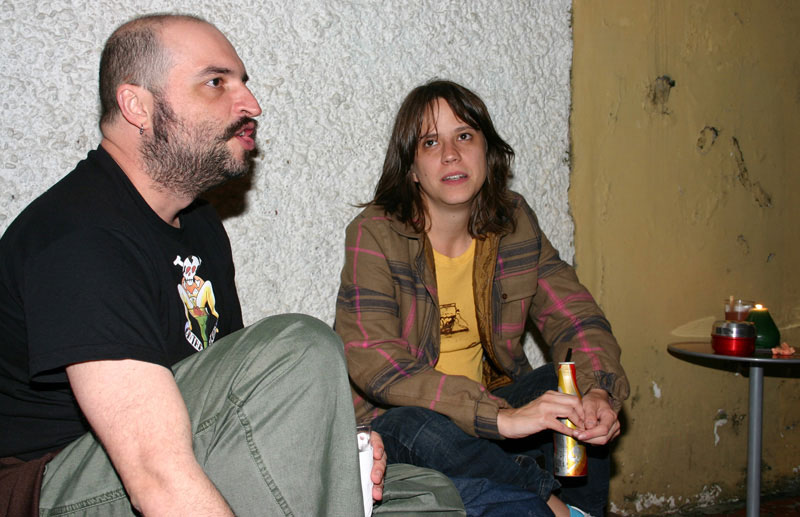
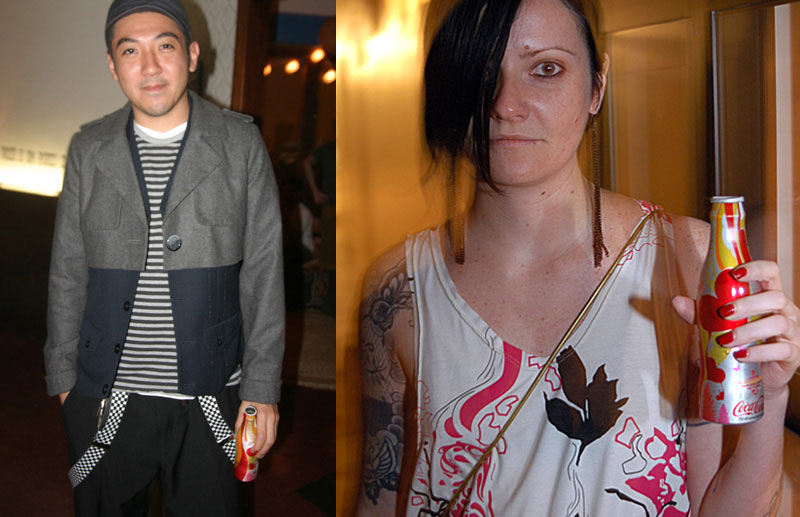
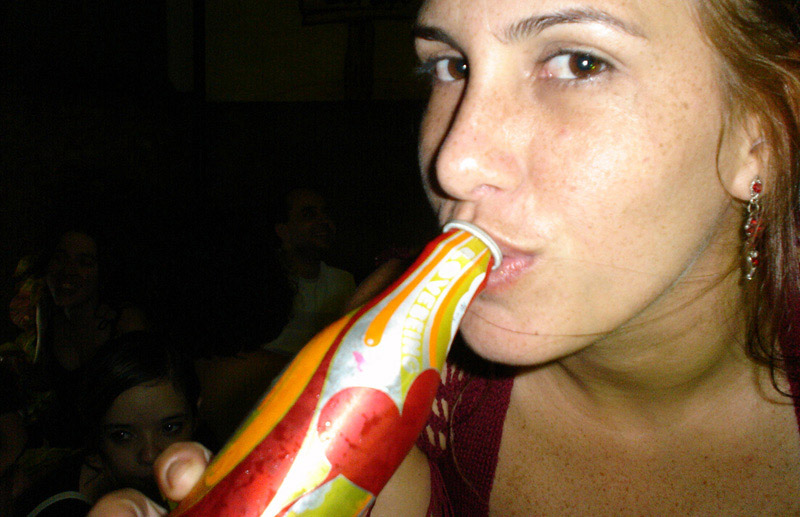
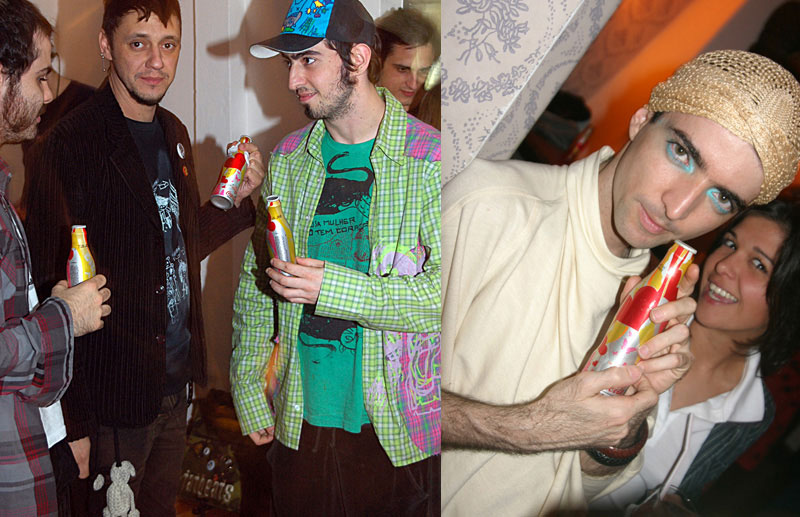
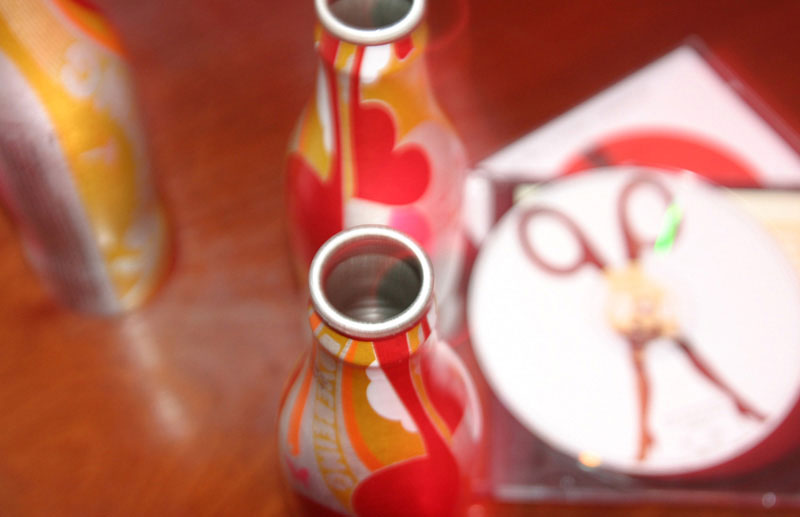
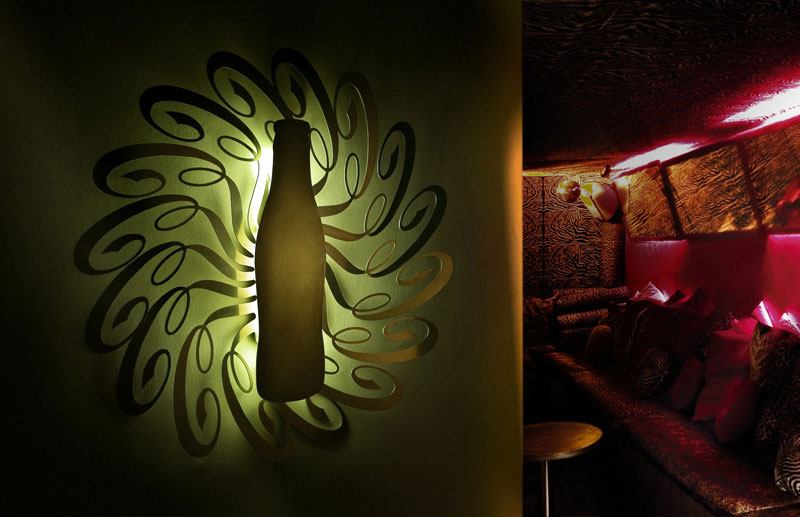
During his time at McCann Erickson Brasil, one of the world's largest communications networks, Sandro Bianco participated in creating the Brazilian launch strategy for Coca-Cola M5. Instead of using conventional media, the team developed an action that transformed consumers themselves into campaign protagonists. Designers, musicians, artists, photographers, DJs, stylists and other opinion leaders received an exclusive kit sent by Coca-Cola containing the new M5 bottles and a badge inviting them to host a party at their own home. The only premise was simple: throughout the entire evening, the only soft drink served should be the special edition Coca-Cola M5. From this rule emerged spontaneous gatherings where design, music, culture and relationships mixed naturally, creating desire for the bottles and amplifying their circulation in a completely organic way. The campaign photographs capture exactly this historical moment: well before social media, real people shared real experiences around a product that had been conceived to be an object of design and conversation.
What we today call Influencer Marketing, Community Marketing, Creator Economy, Brand Advocacy and Experiential Marketing still had no clear definition in 2006. However, the project developed by McCann anticipated many of these concepts by transforming small groups of influential people into true communication channels for the brand. Rather than investing solely in traditional media, the campaign bet on the power of human relationships and the ability that certain individuals had to generate conversations, spark curiosity and influence behavior within their communities. The strategy perfectly aligned with the global positioning of M5, created precisely to bring Coca-Cola closer to the worlds of fashion, music, design and contemporary culture.
For Sandro Bianco, this project represents one of the most remarkable moments of his trajectory at McCann Erickson and reinforces his long professional relationship with Coca-Cola, one of the world's most iconic brands. Throughout his career, Sandro participated in different projects for the company, exploring branding, brand experience and art direction in campaigns of great relevance. Coca-Cola M5, however, holds a special place for demonstrating how a good idea can anticipate movements that would only be consolidated in the communications industry years later. More than two decades later, the campaign continues to be remembered internally as a creative reference within McCann Rio's operations, not only for the results achieved, but for having demonstrated that authentic communities and face-to-face experiences possess a power of influence capable of transcending generations. Today, looking back in retrospect, it is possible to say that the project helped to chart a course that would be followed by the entire influencer marketing industry in the years to come.