When the COVID-19 pandemic completely changed the way people consumed food, traditional restaurants needed to reinvent their operating models practically overnight. Closed dining rooms, restricted circulation, and an explosion of delivery apps created an entirely new scenario for the food market. While many companies tried simply to adapt their businesses to delivery, CiaTC, one of Brazil's most respected gastronomy groups, decided to build an operation designed to be born digital.
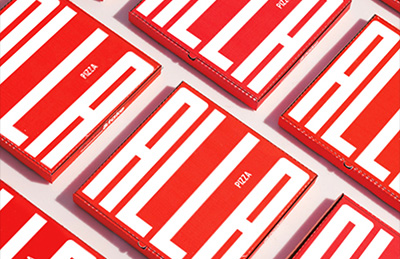
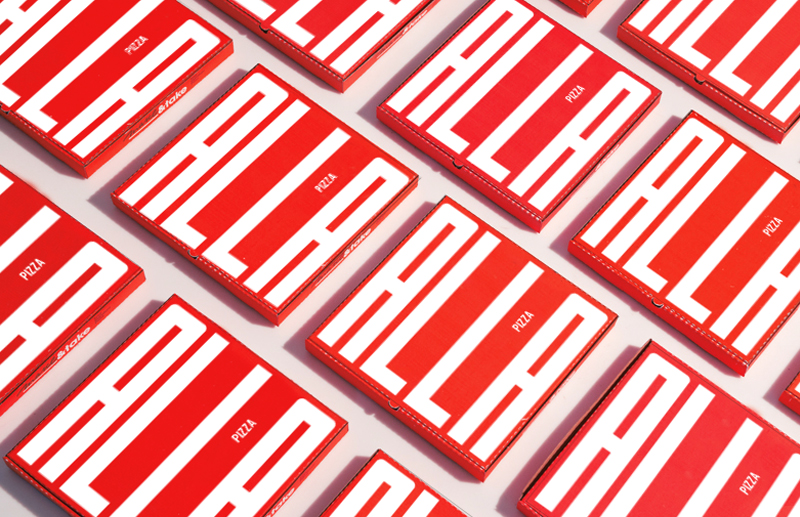
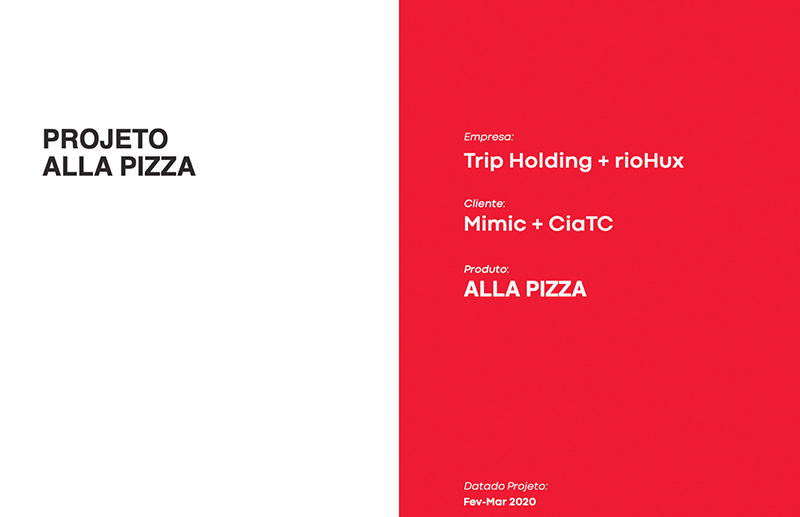
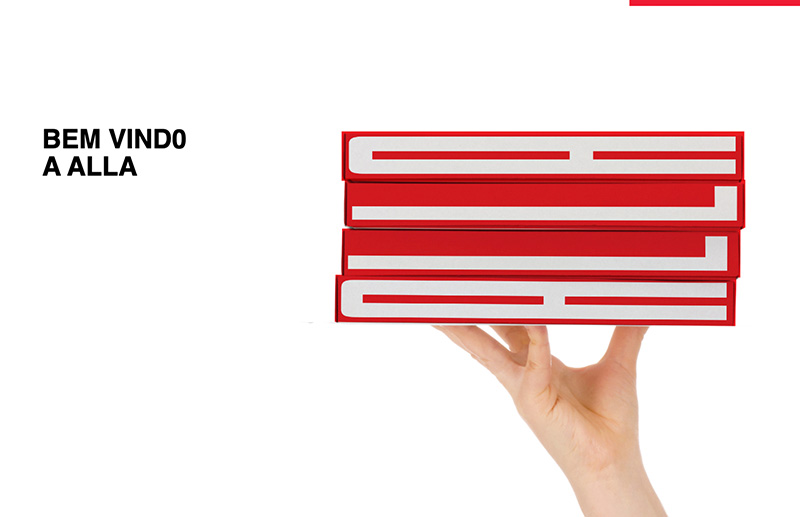
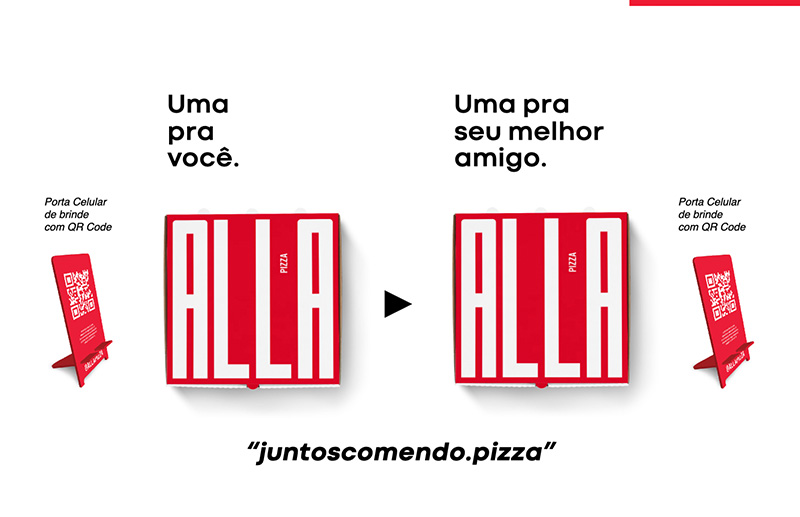
It was in this context that Alla Pizza emerged, a brand created specifically for the delivery universe. The project was born from collaboration between Trip Holding, Rio Hux, and SB\Design, bringing together business strategy, branding, communication, and consumer experience to launch an operation that would not be just another online pizzeria, but a new business model prepared to scale.
CiaTC, a group founded by brothers Carlos and Gabriel Giamellaro, built over decades a reputation based on iconic gastronomy brands in São Paulo, such as Bráz Pizzaria, Bráz Trattoria, Pirajá, Lanchonete da Cidade, and Astor. During the pandemic, this accumulated experience became a strategic asset to create a new proposal focused exclusively on delivery, maintaining the technical and gastronomic rigor characteristic of the group.
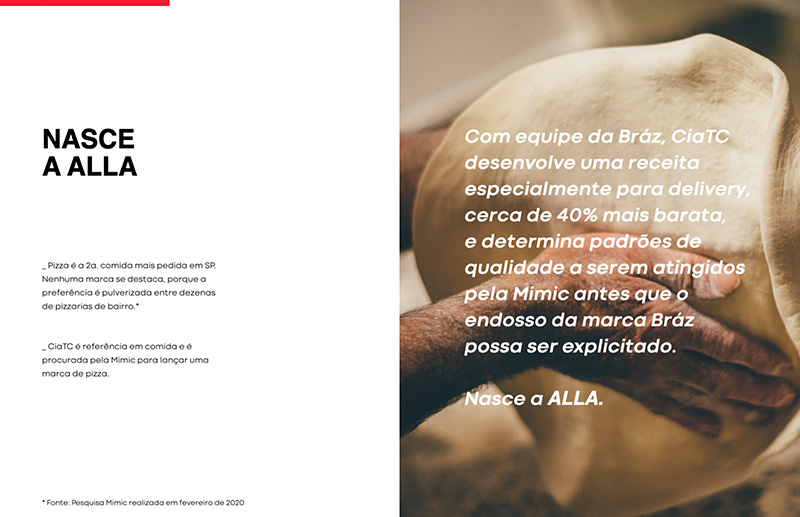
According to the strategy presented in the project, Alla was born as an independent brand, developed to operate in a cloud kitchen model, combining Bráz's gastronomic experience with a recipe specially created for delivery, approximately 40% more accessible, while maintaining rigorous quality standards before even public association with the Bráz brand.
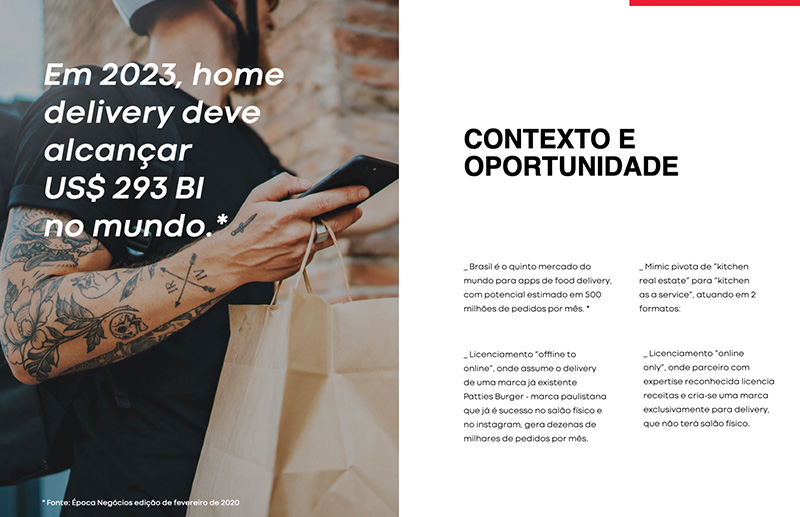
The opportunity was enormous. Brazil already ranked among the world's largest delivery markets, with hundreds of millions of monthly orders and accelerated growth driven by social isolation. Instead of simply communicating a new pizzeria, the project needed to build a brand capable of generating curiosity, desire, and trust at a moment when practically all consumer experience happened through the smartphone screen. The strategic planning itself highlighted the creation of a brand prepared to take advantage of the growth of the "kitchen as a service" model and exclusively online consumption.
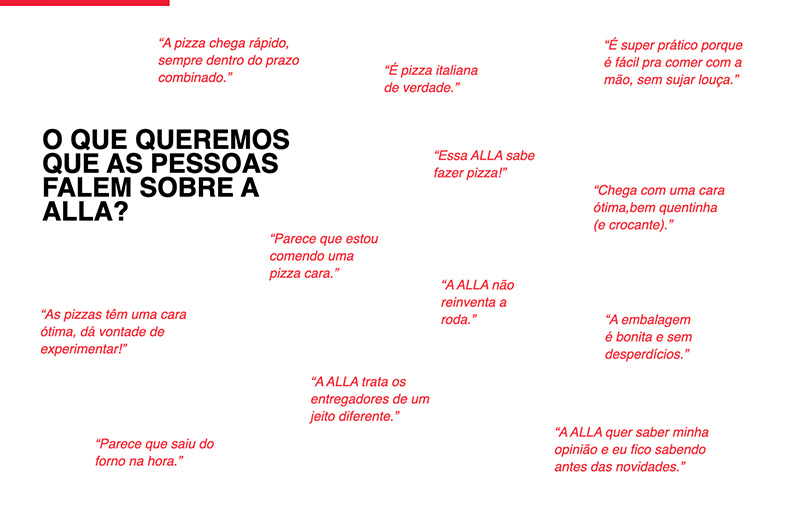
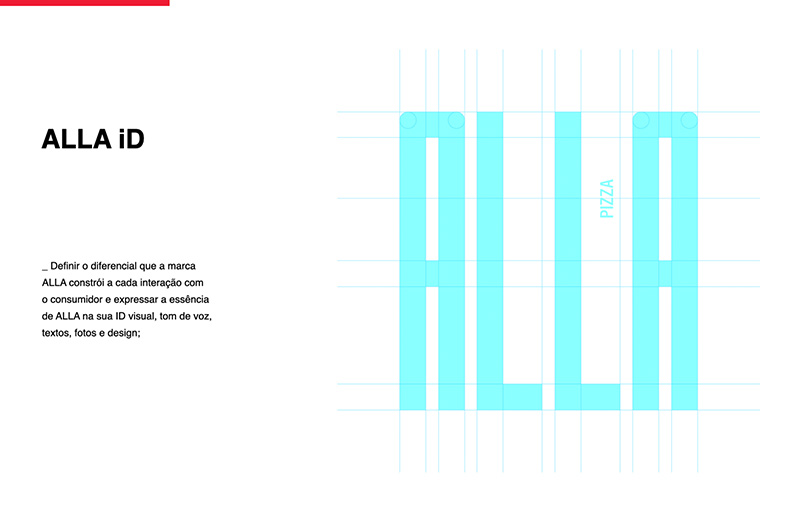
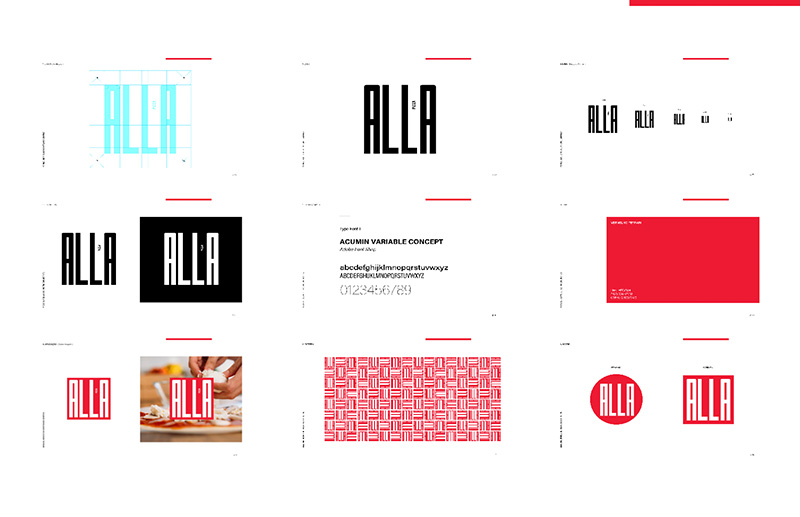
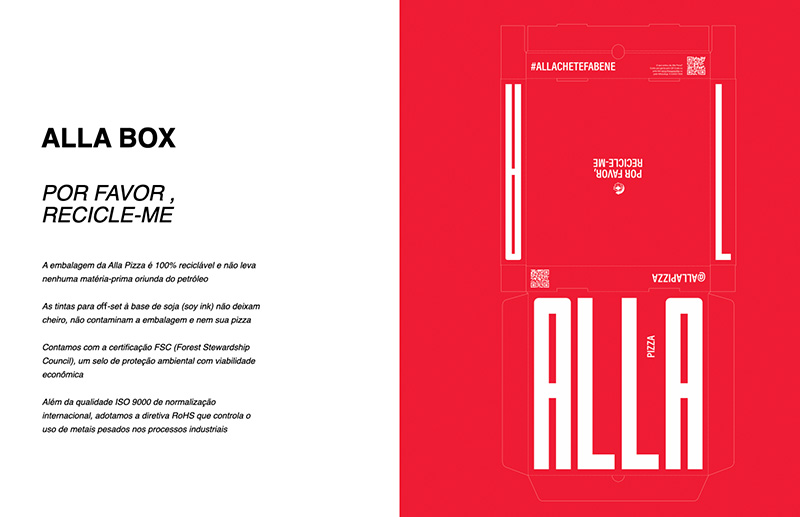
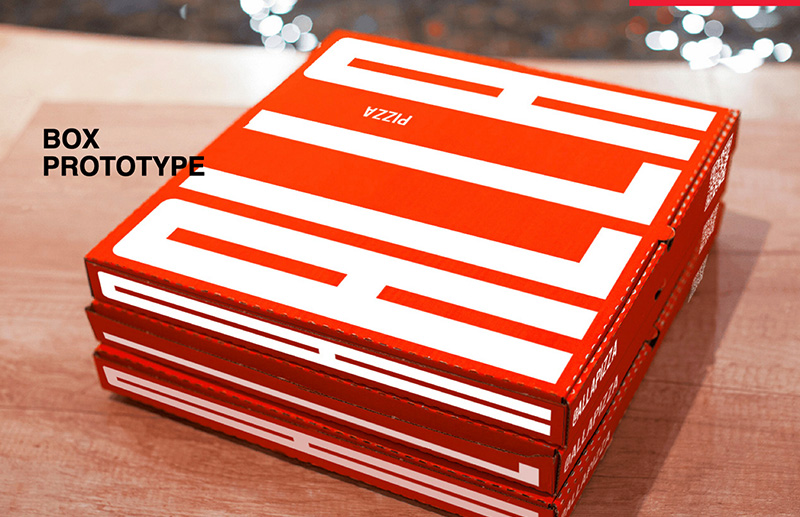
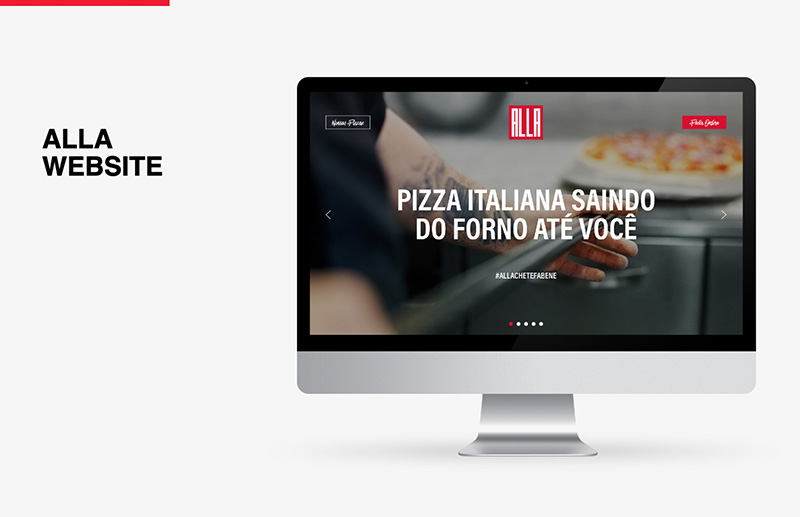
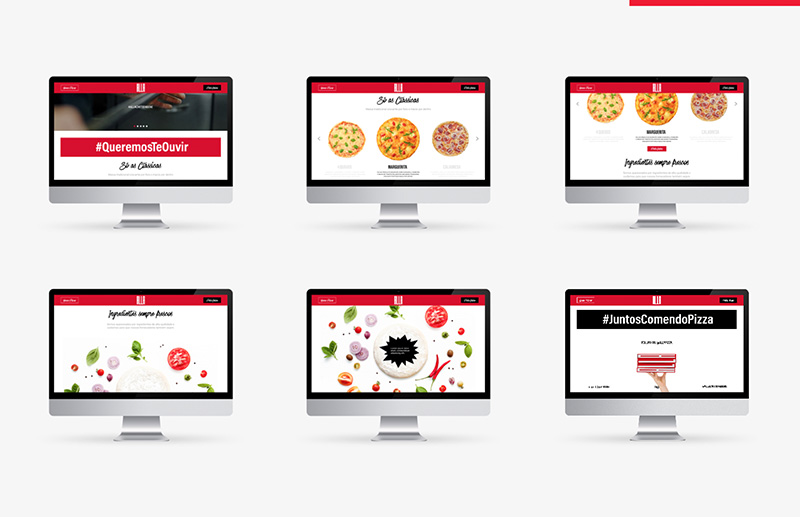
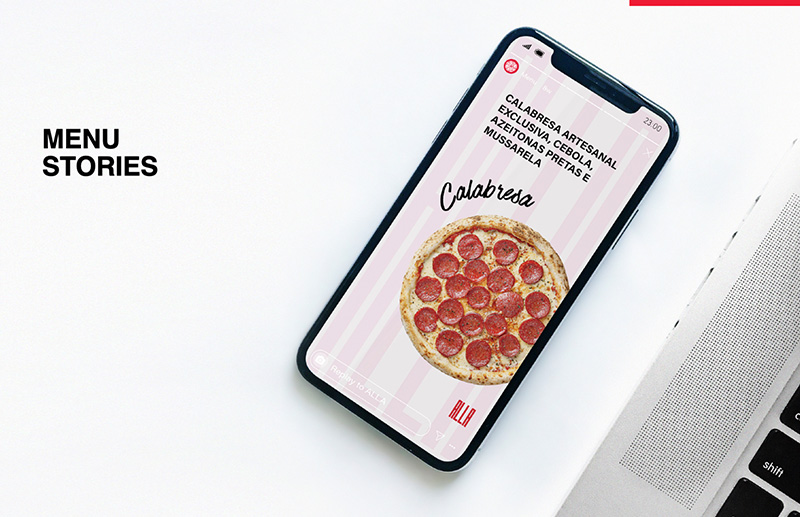
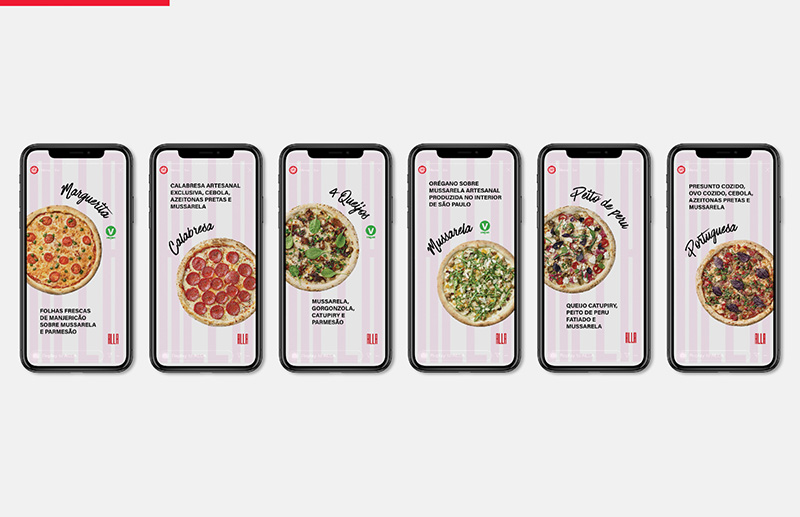
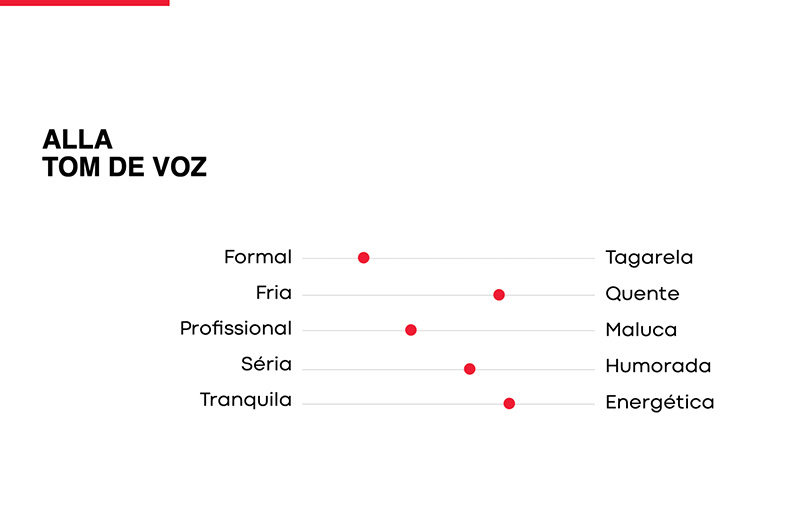
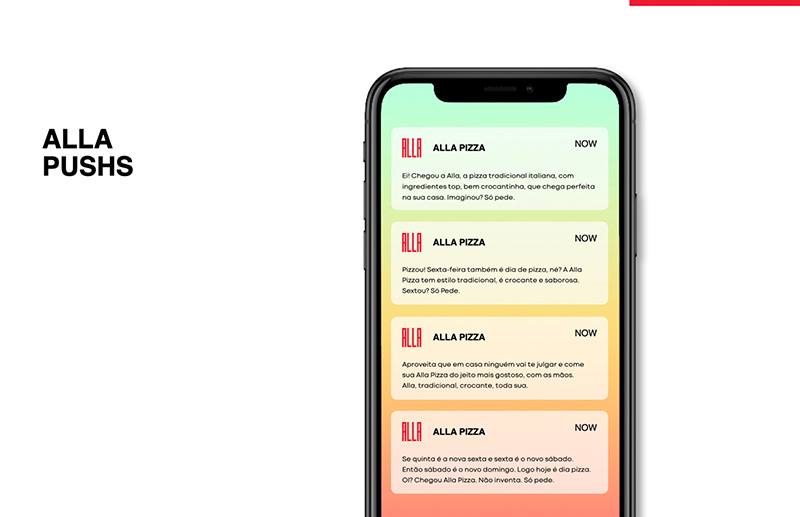
It was in this scenario that SB\Design, led by Sandro Bianco, participated in building the strategic identity of the project, translating business objectives into a brand prepared to exist in a completely digital environment. Far beyond creating a visual identity, the challenge consisted of building a language capable of conveying quality, proximity, and authenticity without depending on the physical experience of a restaurant. Every decision needed to function within delivery apps, social media, packaging, digital campaigns, and urban communication.
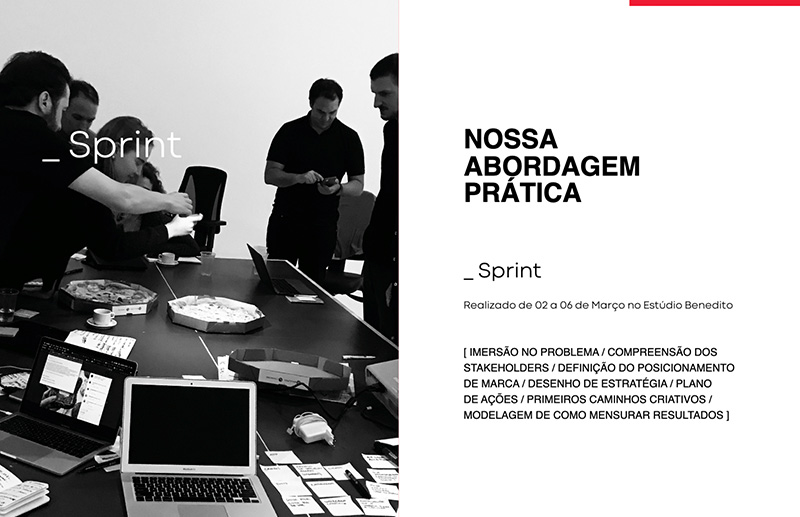
Alongside the Trip Holding and Rio Hux teams, SB\Design participated in defining the launch strategy, the brand positioning, and building a visual system prepared to generate recognition from the consumer's first contact. The planning also provided for a progressive launch, creating curiosity before the brand's complete reveal, strengthening its market entry.
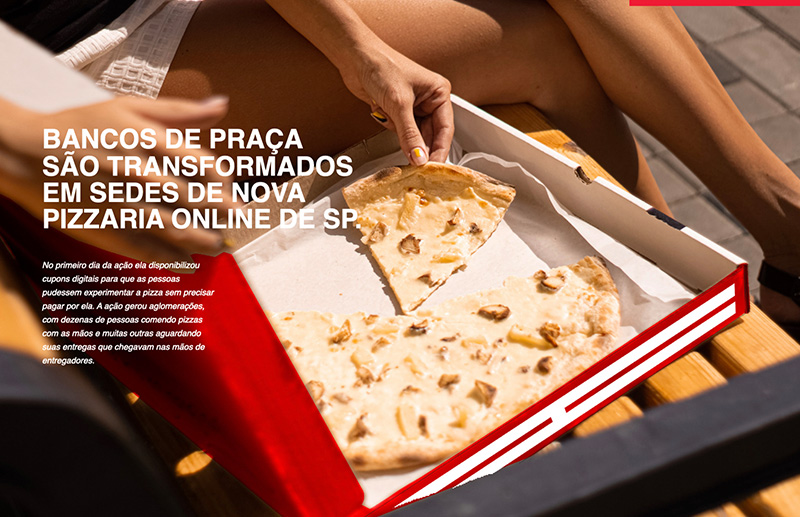
Among the activations developed was one of the most interesting actions of the project: transforming urban elements in Vila Olímpia into small sales points through QR Codes. Benches, lampposts, and urban furniture began to function as digital storefronts, allowing people to scan the codes and order their pizza directly through the Rappi app, receiving the order exactly where they were. The initiative perfectly synthesized Alla's proposal: a restaurant that existed primarily in the digital environment, bringing city, technology, and gastronomy together in a single experience.
For Sandro Bianco, this project represents one of the clearest examples of SB\Design's ability to work far beyond visual identity. It is work where branding, strategy, consumer behavior, brand architecture, and business model transformation walked together. Alla Pizza did not emerge simply to sell pizzas; it emerged to quickly respond to a historical change in consumption behavior and demonstrate how strategic design can accelerate innovation even in scenarios of extreme uncertainty.
Today, looking back in retrospect, the project highlights a recurring characteristic of Sandro Bianco's trajectory: participating in the construction of brands born to respond to profound market transformations. Just as in projects for Coca-Cola, C6 Bank, Iguatemi, Artimage, and other major clients, SB\Design's contribution lay in the ability to organize complex problems and transform them into coherent systems of brand, communication, and experience.